
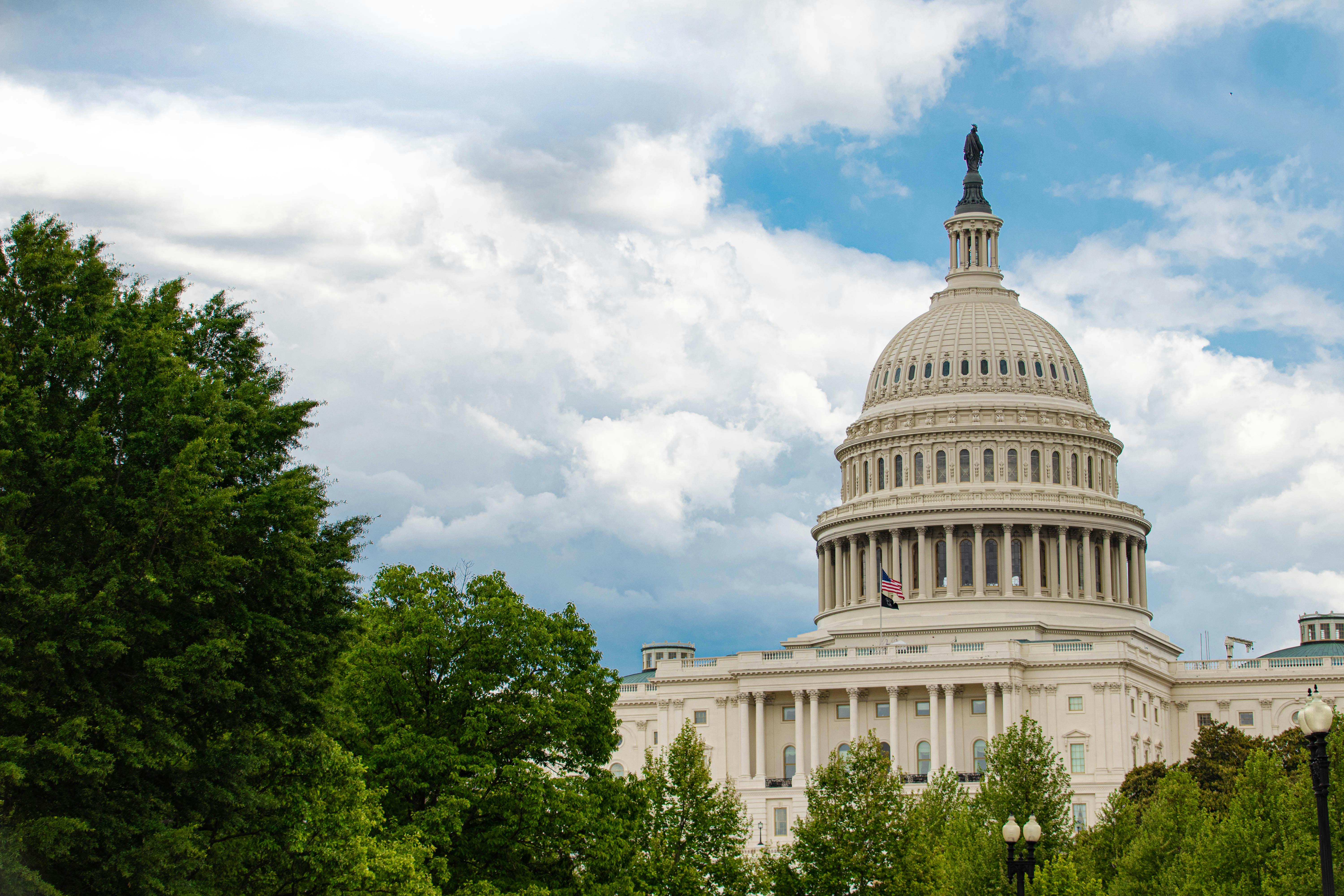
Most legislative work happens in committee rather than on the floor. Which committee a member sits on therefore determines what they can affect and what they will never touch.
Committees control what reaches a vote
Bills are referred to a committee on introduction, and the overwhelming majority are never taken up. No hearing means no markup, and no markup means no floor consideration.
The chair generally decides what is scheduled, which makes that one position more consequential for a given subject than the votes of many rank-and-file members.
Procedures exist to pull a bill out of a committee that refuses to act, but they require broad support and are used rarely enough to remain notable.
Expertise concentrates by design
No legislator can master tax law, defence procurement, agriculture and telecommunications simultaneously, so the chamber divides subjects and specialises.
Members accumulate knowledge over years on the same panel, and their colleagues rely on that specialisation when deciding how to vote on unfamiliar matters.
The system produces genuine competence and also concentrates influence, since a handful of members effectively decide the details that the full chamber ratifies.
Assignments are allocated by the parties
Each party runs a steering process that distributes seats, weighing seniority, region, electoral vulnerability and how reliably a member supports the leadership.
Because desirable seats are scarce, the allocation is a lever: leadership can reward cooperation with a place on a powerful panel and signal displeasure by withholding one.
Members from competitive districts are often placed where they can deliver visible benefits to constituents, which serves both the member and the party's seat count.
The seat shapes fundraising
Interests regulated by a committee direct their attention and contributions toward its members, because those are the people whose decisions affect them.
This creates a durable relationship in both directions, with the industry gaining access and the member gaining a reliable base of financial support.
Turnover changes policy slowly
Because seniority governs advancement within a committee, the composition of its senior ranks changes gradually even after large electoral swings.
A new majority controls the chairs and the agenda immediately, but the accumulated expertise and the working relationships with agencies persist across the transition.
That continuity is why policy in technical areas tends to shift more slowly than the headline result of an election would suggest.