

I was halfway through a cold slice of pizza (don’t judge—it was breakfast) when I first started really thinking about what we learned from the biggest political showdowns.
Not in a “textbook chapter 4” way.
More like—
“Wait… these people were basically arguing like my family does at Thanksgiving… just with way higher stakes.”
And once you see it like that? You can’t unsee it.
Because politics, at its core, is just people. Emotional, stubborn, occasionally brilliant people… clashing.
Hard.
The Time Thomas Jefferson and Alexander Hamilton Basically Invented Political Drama
Okay, so imagine two guys:
- One wants a strong central government
- The other’s like, “Nope. States should have more power.”
And neither is backing down.
That was Jefferson vs. Hamilton.
And honestly? It set the tone for everything that came after.
Political parties? Yep—kind of their fault.
Endless debates about federal vs. state power? Also them.
What did we learn here?
That disagreements don’t mean failure—they actually shape the system.
But also…
If you don’t manage those disagreements, they spiral.
Fast.
Side Story (Because This Feels Relevant)
I once argued with a friend for 45 minutes about whether pineapple belongs on pizza.
We’re still friends. Barely.
Now imagine that level of stubbornness… but it’s about national policy.
Yeah. That.
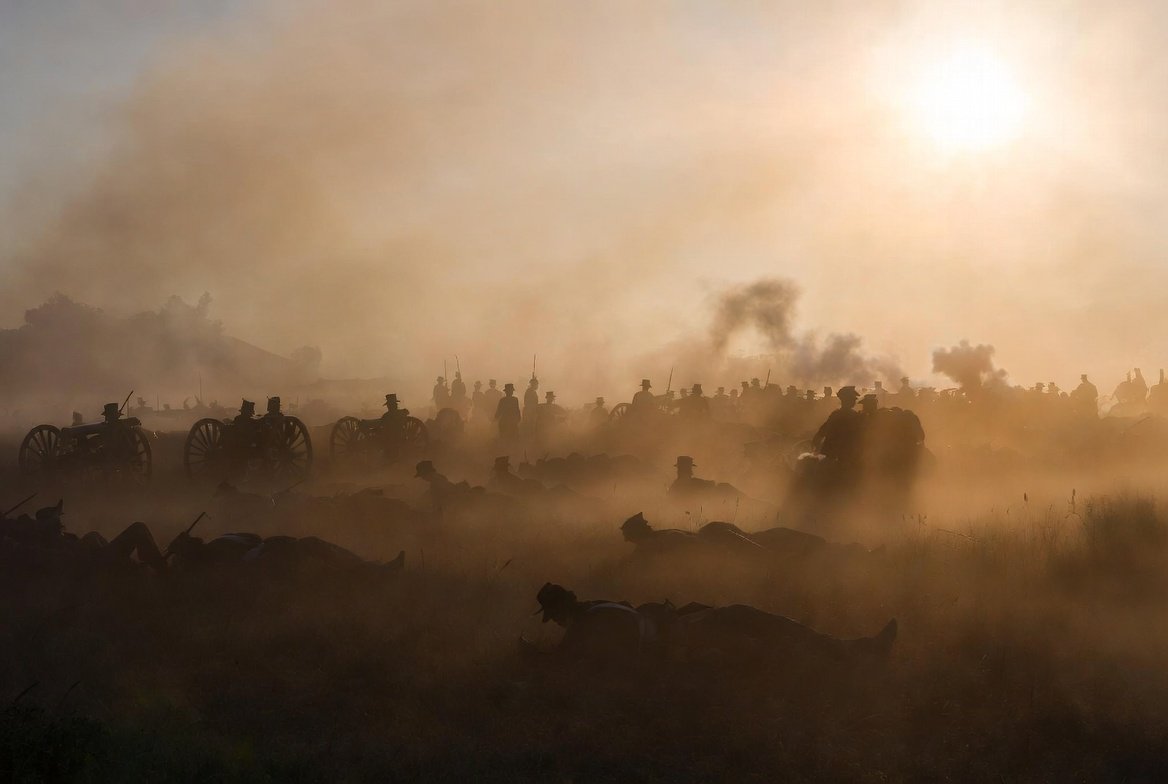
The American Civil War: When Talking Failed
This one hits different.
Because it’s not just a “showdown.” It’s what happens when showdowns go too far.
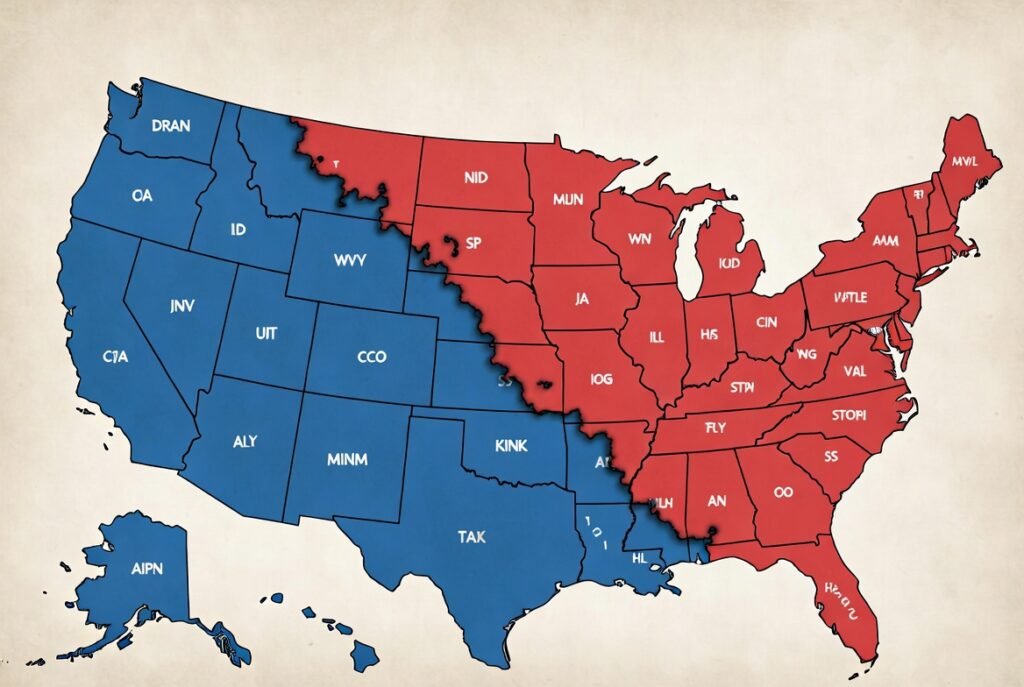
The country split. Lines drawn. No more debates—just war.
And I think the biggest lesson here is uncomfortable but real:
If conflict isn’t resolved early, it escalates.
Like, massively.
And sometimes, the cost of not compromising is… everything.
Franklin D. Roosevelt vs. The Supreme Court (AKA “Can I Just Add More Judges?”)
Okay, this one feels almost like a loophole attempt.
FDR wanted to push through New Deal policies during the Great Depression, but the Supreme Court of the United States kept striking them down.
So he had an idea:
“What if I just… add more judges?”
Not illegal. Just… bold.
People freaked out. Even his own party was like:
“Uh, maybe don’t?”
What we learned:
Just because you can do something doesn’t mean you should.
Also—public opinion matters more than politicians sometimes expect.
The Watergate scandal: Trust, But… Actually Don’t
Ah yes. Watergate.
Or as I like to call it:
“The moment America collectively said, ‘Wait, what??’”
Richard Nixon tried to cover up a break-in, then things unraveled like a badly knitted sweater.
Tapes. Lies. Denials.
And then—resignation.
Lesson?
Power doesn’t make you untouchable.
It just makes the fall more dramatic when things go wrong.
Also, maybe don’t record everything you say. Just a thought.
Random Thought Break
Why do so many major political scandals involve tapes?
Like… just stop recording yourselves. Please.
The Cold War: A Showdown Without a Fight (Kind Of)
This one’s wild because it wasn’t a direct fight—but it felt like one constantly.
U.S. vs. Soviet Union. Tension everywhere.
At one point during the Cuban Missile Crisis, we were this close to nuclear war.
Like… terrifyingly close.
And what stopped it?
Communication. Backchannel deals. People choosing to step back.
What we learned:
Sometimes the strongest move is not escalating.
Which is… not how most arguments go in real life, if I’m being honest.
The 2000 Election: When Rules Get… Fuzzy
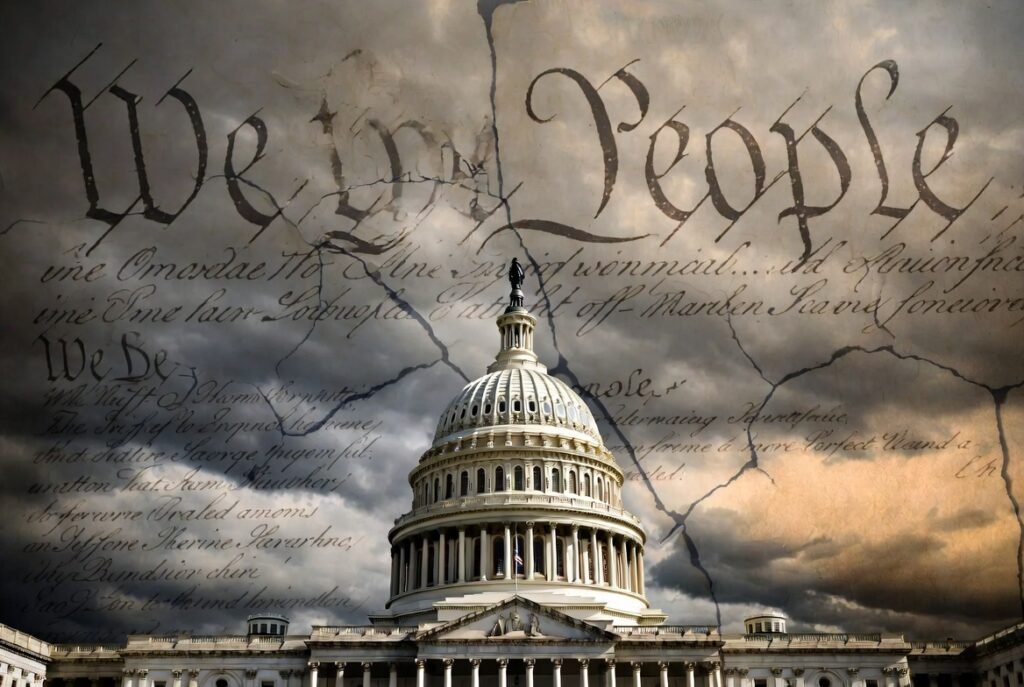
The 2000 United States presidential election felt like one long, confusing group project where nobody agrees on the instructions.
Recounts. Court cases. Hanging chads (still sounds fake).
Between George W. Bush and Al Gore, the outcome ended up in the hands of the courts.
Which is… not ideal for something as big as an election.
Lesson?
Systems need clarity before they’re tested.
Because figuring things out mid-crisis? Stressful for everyone.
The More Recent Stuff (Yeah… This Gets Awkward)
I won’t pretend this part is easy to talk about.
But modern political showdowns—especially around elections and power transitions—have shown something important:
The system depends heavily on trust.
Not just laws. Not just rules.
Trust.
And when that starts to crack? Everything feels… shaky.
The Patterns That Keep Showing Up (And It’s Kinda Freaky)
Once you look at all these moments together, you start noticing patterns.
Like:
1. Power Always Pushes Boundaries
People test limits. It’s human nature.
2. Systems Only Work If People Respect Them
Rules don’t enforce themselves.
3. Emotions Drive Decisions More Than We Admit
Fear. Pride. Ego. Hope.
It’s not just logic.
Never was.
4. The “Almost” Part Matters
Most of these didn’t fully break the system.
But they got close enough to teach us something.
Like touching a hot stove—not enough to cause serious damage, but enough to go:
“Yeah… maybe don’t do that again.”
A Slightly Embarrassing Personal Moment
I once tried to mediate an argument between two friends.
It went… terribly.
At one point, someone said:
“You’re making it worse.”
And I was like, “Cool cool cool, love that for me.”
But honestly? That tiny moment made me appreciate how hard conflict resolution is—on any scale.
Now imagine doing that… for an entire country.
If You Want to Fall Into a Rabbit Hole (Highly Recommend)
- Watch clips from old presidential debates on YouTube—some of them are surprisingly spicy
- Or read personal accounts from journalists during major political events (some are chaotic in the best way)
So… What Did We Actually Learn?
Not in a neat, bullet-point, textbook way.
More like… scattered realizations:
- Conflict is unavoidable
- How we handle it? That’s everything
- Systems are strong—but not unbreakable
- And history has a weird way of repeating itself… just with better technology and worse Twitter takes
Final Thoughts about Biggest Political Showdowns
Thinking about what we learned from the biggest political showdowns feels a bit like looking back at your worst arguments.
You cringe. You learn (hopefully).
But mostly—you realize how human it all is.
Messy. Emotional. Unpredictable.
And somehow… still holding together.
Which, honestly, might be the most impressive part of all.
Because despite all the clashes, all the tension, all the near-misses…
We’re still here.
Arguing.
Debating.
Figuring it out.
Slowly. Imperfectly.
But still.


