

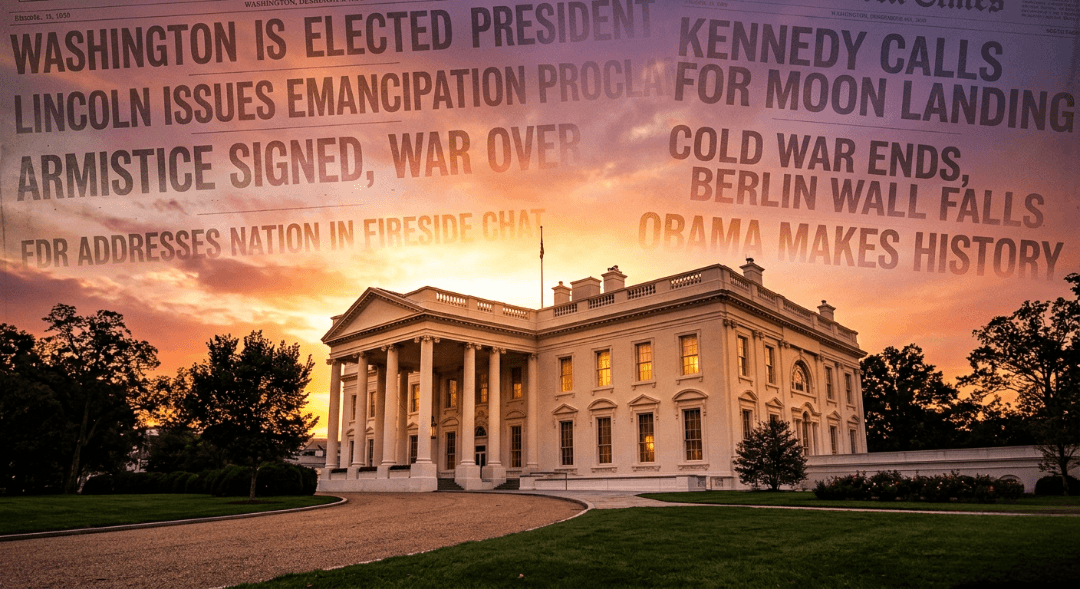
I think about presidential legacies more than a normal person probably should.
Not in a weird “I collect commemorative presidential plates” way… but in a how the heck does history decide who’s a hero and who’s a disaster? kind of way.
Because here’s the thing nobody really tells you in school.
The reputation of a president isn’t decided on Election Day.
It’s not even decided when they leave office.
Sometimes it takes 50 years.
Sometimes longer.
And occasionally—this part is wild—it flips completely.
A president everyone hated? Suddenly respected.
A president people adored? History side-eyes them later like “Wait… did we miss something?”
It’s messy.
Human.
Kind of unfair sometimes.
Honestly, it reminds me of high school popularity contests.
Just… with nuclear weapons.
The Day I Realized History Is Basically Group Chat Drama
This realization hit me years ago.
I was watching a documentary about Harry S. Truman—a guy who left office with approval ratings so low they’d make modern politicians cry.
Seriously. People were done with him.
But now?
Historians often rank him among the best presidents.
How does that happen?
How do you go from “ugh, this guy again” to “actually… kind of brilliant”?
It’s like when someone leaves the group chat and suddenly everyone goes:
“Okay wait… they did keep things organized.”
History works like that.
We don’t always appreciate the person doing the job until they’re gone.
Presidential Legacies Are Built on Three Weird Pillars
After falling down a few too many history rabbit holes (don’t judge), I started noticing patterns.
Every presidential legacy seems to come down to three big things.
Not always fair.
But always fascinating.
1. Crisis Moments
Nothing defines a presidency like a crisis.
War.
Economic collapse.
National tragedy.
Handle it well? Legend status.
Handle it badly? Yikes.
Take Franklin D. Roosevelt.
The guy faced the Great Depression and World War II.
Two of the biggest crises in modern history.
If those events don’t happen… who knows how we remember him?
History is weird that way.
Sometimes a president becomes legendary simply because the universe handed them the hardest possible test.
2. The Story People Tell Later
This one fascinates me.
A president’s reputation often depends on the story future generations decide to tell.
Example.
For years, Ulysses S. Grant was seen as a terrible president.
Corruption scandals.
Political chaos.
Case closed, right?
Except… historians later revisited his record and realized he fought hard for civil rights during Reconstruction.
Now?
His reputation is climbing.
History didn’t change.
But the lens did.
3. The One Thing Everyone Remembers
Sometimes a presidency gets boiled down to a single event.
One decision.
One scandal.
One moment.
And that moment sticks forever.
Take Richard Nixon.
You can say a lot about his presidency.
Foreign policy breakthroughs.
Opening relations with China.
Major environmental laws.
But ask the average person what they remember and they’ll say:
Watergate scandal
Just like that… a complicated presidency becomes a single headline.
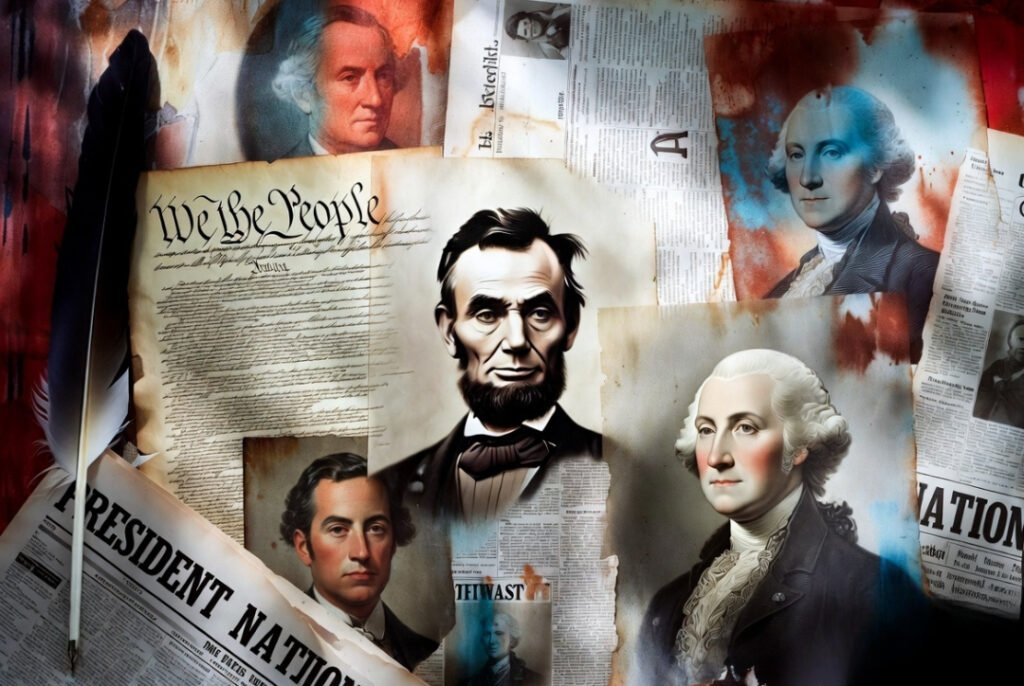
The Presidents Who Got a Second Chance From History
History is surprisingly forgiving sometimes.
Take Dwight D. Eisenhower.
When he left office, critics said he was passive.
Too quiet.
Too hands-off.
But decades later historians noticed something interesting.
He wasn’t passive.
He was strategic.
Like a chess player pretending not to think.
His reputation? Climbed steadily.
Now he’s often ranked near the top.
History basically went:
“Oops. We might’ve misread that guy.”
And Then… There’s the Reverse
Sometimes the opposite happens.
A beloved president slowly gets re-evaluated.
Not always harshly—but more realistically.
Take John F. Kennedy.
His legacy was wrapped in tragedy after the Assassination of John F. Kennedy.
For years he was almost mythic.
Camelot.
Hope.
Youth.
But historians eventually started asking harder questions.
What policies actually passed?
How much progress happened versus what was promised?
The result?
Still admired.
Just… less myth, more human.
Presidential Legacies Are Also Built by Pop Culture (Seriously)
This part makes historians cringe a little, but it’s true.
Movies.
TV shows.
Documentaries.
They shape how we remember presidents.
For example, if you’ve ever watched Lincoln, you probably picture Abraham Lincoln as a thoughtful, exhausted genius quietly steering the country through the American Civil War.
That movie reinforced an image many people already believed.
But pop culture can also reshape legacies.
Just ask Alexander Hamilton, whose popularity exploded after the musical Hamilton.
History + storytelling = powerful combination.
The Awkward Truth: Timing Matters More Than Talent
Here’s something slightly uncomfortable.
Sometimes a president’s legacy depends more on timing than ability.
Imagine leading during peaceful prosperity.
Or leading during economic collapse and global war.
Those are very different jobs.
Take Jimmy Carter.
His presidency struggled during economic turbulence and the Iran hostage crisis.
At the time, many Americans saw his presidency as weak.
But here’s the twist.
His post-presidential life—humanitarian work, diplomacy, global health efforts—changed how people view him.
He even won the Nobel Peace Prize.
So now people say things like:
“Maybe he wasn’t the best president… but he might be the best former president.”
Which is honestly kind of beautiful.
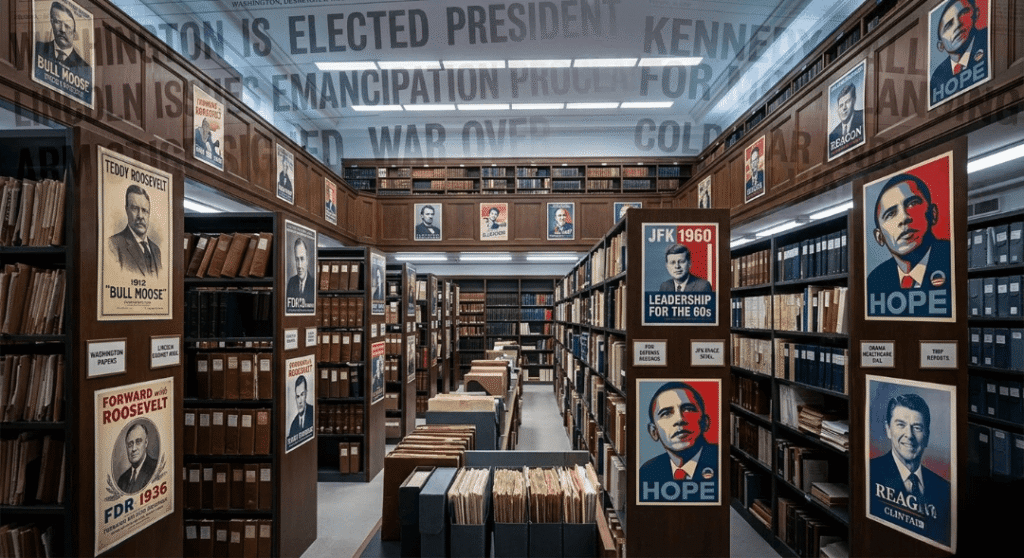
The Weirdest Part? Legacies Keep Changing
This might be the strangest thing about presidential legacies.
They never stop evolving.
Every generation asks new questions.
What mattered then?
What matters now?
Policies once ignored become crucial later.
Decisions that seemed brilliant might age badly.
And suddenly the ranking lists change again.
It’s like the ultimate group project that nobody ever finishes.
My Personal Theory (Possibly Wrong, But Hear Me Out)
I think presidential legacies are less about perfection and more about direction.
Did the president push the country toward something better?
Did they try something bold—even if it didn’t fully work?
Because let’s be honest.
The job itself is borderline impossible.
Imagine making decisions that affect 330 million people.
Every day.
With the entire world watching.
One wrong move and it becomes a chapter in a history book.
No pressure.
A Random Thought I Had at 2 AM
Sometimes I imagine presidents decades from now being judged by historians who haven’t even been born yet.
People who don’t know our fears.
Our politics.
Our news cycles.
They’ll read old headlines and think:
“Wow… they were really arguing about that?”
And then they’ll decide who mattered.
Who didn’t.
Who changed the country.
And who mostly just filled time between bigger eras.
That’s the strange magic of history.
It keeps rewriting the story.
If You Want to Fall Down the Same Rabbit Hole
Two places I’ve enjoyed reading about this stuff:
A fascinating personal history blog:
https://www.millercenter.org
And for some surprisingly fun presidential rankings debates:
https://www.c-span.org/presidentsurvey/
Fair warning though.
You might lose a few hours.
Maybe an entire Saturday.


