

Environmental Policies That Worked………I’ll admit something slightly embarrassing.
A few months ago I went down one of those late-night internet rabbit holes — you know the kind.
You start by Googling something innocent like “why is the sky orange tonight?” and two hours later you’re deep into articles about climate change, melting glaciers, and sea levels rising faster than my stress during tax season.
Not exactly cheerful reading.
But somewhere between page 9 and page 12 of search results (yes, I was that deep), I started noticing something interesting while reviewing environmental policies that actually worked.
Wait… some of them actually did work.
Like… genuinely helped.
Not perfectly. Nothing ever is.
But enough to make a measurable difference.
And honestly? That surprised me. Because the internet can make it feel like every environmental effort is doomed before it starts.
So I grabbed coffee the next morning and started digging.
And what I found was kinda hopeful.
Messy.
Complicated.
But hopeful.
The Clean Air Act (Basically America’s Lung Upgrade)
Okay, story time.
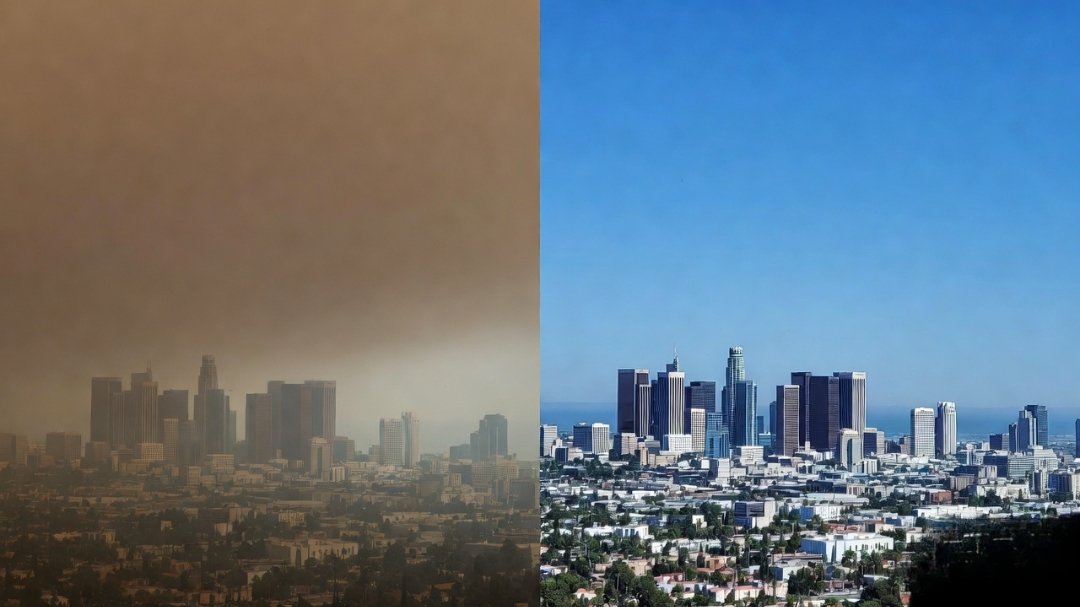
When my dad talks about growing up in the 1970s, he sometimes mentions something weird.
He says the air used to look… brown.
Not metaphorically.
Actually brown.
Cities like Los Angeles had smog so thick you could barely see the mountains.
Then came the Clean Air Act.
And look, I know “Clean Air Act” doesn’t exactly scream excitement. Sounds like something you’d fall asleep reading in a government PDF.
But the results?
Huge.
Air pollutants dropped dramatically over the decades.
Lead levels in the air fell.
Acid rain decreased.
Asthma rates improved in some areas.
Even the Environmental Protection Agency estimates the health benefits have saved hundreds of thousands of lives.
Which is wild when you think about it.
A single law that basically gave the country better lungs.
The Montreal Protocol (The Ozone Layer Comeback Story)
This one feels like the environmental version of a miracle.
Back in the 1980s scientists discovered the ozone layer was thinning — especially above Antarctica.
The culprit?
Certain chemicals used in refrigerators, aerosol sprays, and industrial processes.
So countries came together and signed the Montreal Protocol.
And here’s the wild part.
It worked.
The ozone layer is slowly recovering.
Like… actually healing.
Scientists now believe it could return to near-normal levels by the middle of this century.
When people say international cooperation never works, I always think about this treaty.
Because sometimes it really does.
Also, side note: whenever I use spray sunscreen now, I get weirdly grateful someone fixed that problem before I was old enough to worry about it.
The Acid Rain Fix Nobody Talks About
Okay.
Quick science memory from middle school.
Acid rain.
It sounded terrifying.
Trees dying. Lakes turning toxic. Fish disappearing.
All caused by pollution from power plants.
But then the U.S. introduced a market-based system under the Clean Air Act Amendments of 1990.
Basically companies could trade pollution permits.
Which sounds super boring.
But emissions dropped faster than expected.
And lakes that once looked like environmental crime scenes slowly recovered.
This one surprised economists too.
Turns out markets and environmental policy sometimes work better together than people assume.

National Parks (The Quiet Environmental Win)
Here’s a random memory.
When I was a kid, my family took a road trip to Yellowstone National Park.
I remember two things clearly.
- Bison are way bigger than you expect.
- My brother tried to feed one a potato chip.
The park ranger did not find that amusing.
Anyway…
America’s national park system is one of the oldest environmental protection efforts in the world.
It began with the Yellowstone National Park Protection Act.
And since then, millions of acres of wilderness have been preserved.
Forests.
Mountains.
Wildlife habitats.
Places that might otherwise have turned into parking lots or strip malls.
Honestly?
It’s easy to forget how radical this idea was when it started.
“Let’s protect huge areas of land just because they’re beautiful.”
That was the entire concept.
And somehow it stuck.
The Renewable Energy Boom about Environmental Policies That Worked
Here’s something that still surprises people.
Renewable energy isn’t just a niche environmental thing anymore.
Policies supporting solar and wind energy — tax credits, state mandates, investment incentives — have helped make renewable power much cheaper.
The Inflation Reduction Act pushed this even further with major clean energy investments.
And the cost of solar panels?
It’s dropped dramatically over the past couple decades.
Which means installing them is no longer just for Silicon Valley tech bros trying to look eco-friendly.
Regular homeowners are doing it too.
I saw a neighbor installing solar panels last summer and asked him about it.
He shrugged and said:
“Honestly, the electricity savings sold me.”
Saving the planet and lowering your energy bill?
That’s a pretty strong marketing strategy.
Why Some Environmental Policies Work (And Others… Don’t)
After reviewing environmental policies that actually worked, I started noticing a pattern.
The successful ones usually share a few things:
1. Clear scientific evidence
Scientists identified problems early and provided solutions.
2. Practical enforcement
Rules only matter if someone enforces them.
3. Economic incentives
If businesses can make money while reducing pollution, progress happens faster.
4. Long timelines
Environmental recovery takes years. Sometimes decades.
That last one is important.
Because modern politics tends to operate on a two-year election cycle.
Nature?
Yeah, nature doesn’t care about election cycles.
A Slightly Awkward Environmental Policies That Worked
I try to be environmentally conscious.
I recycle.
I bring reusable grocery bags.
I once attempted composting.
Keyword: attempted.
That experiment lasted exactly three weeks before my kitchen started smelling like a biology lab accident.
My wife looked at the compost bucket and said:
“You seriously thought that would work?”
Fair point.
Which is why large-scale policies matter so much.
Because individual choices help, but big environmental improvements usually require big systems.
Two Fun Links If You’re Curious
If you enjoy reading about environmental success stories without the doom-and-gloom vibe:
- The environmental blog at the Natural Resources Defense Council has great articles: https://www.nrdc.org
- For surprisingly entertaining science explainers, check out National Geographic: https://www.nationalgeographic.com


