

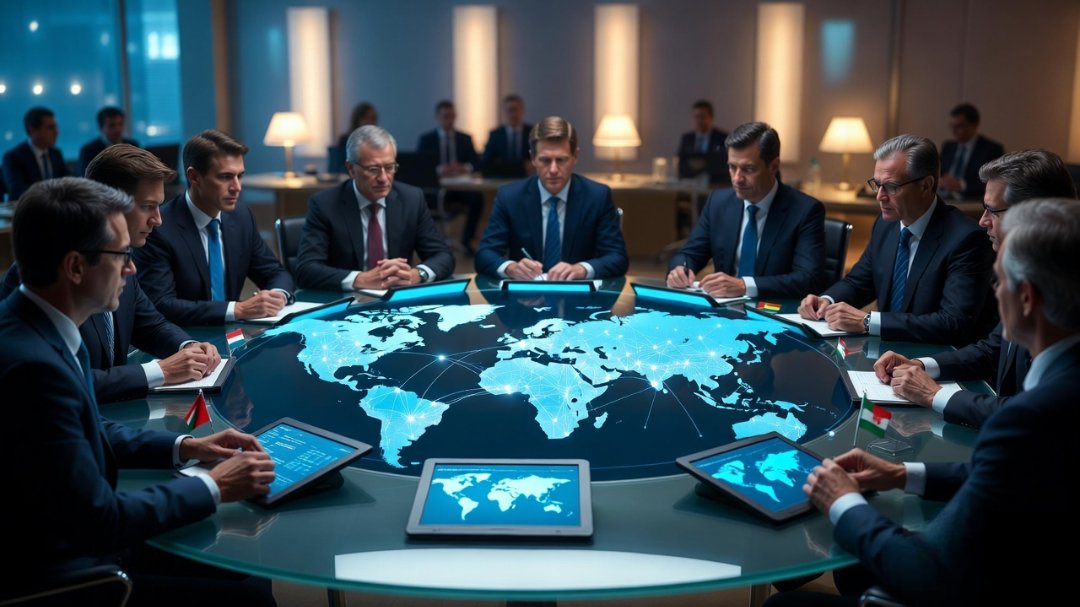
The first time I heard the phrase Smart Diplomacy Rising, I pictured something slightly ridiculous.
Like diplomats wearing tech glasses while playing 4-D chess.
Or some sort of geopolitical strategy app where countries swipe left on bad alliances.
Clearly I’ve watched too many spy movies.
But the more I read about diplomacy lately, the more I realize something interesting is happening.
Countries aren’t just talking anymore.
They’re getting smarter about how they talk, when they talk, and who they talk to.
And in a world that sometimes feels like a giant argument thread on the internet, that kind of thinking might actually matter.
A lot.
The World Feels… Kinda Divided Right Now
I mean, you don’t need a political science degree to notice this.
The global stage feels tense.
You’ve got big power competition between places like United States and China.
You’ve got the ongoing conflict involving Russia and Ukraine.
Regional tensions popping up everywhere.
It’s a lot.
Sometimes it feels like the world is one long group chat where nobody agrees on anything and someone always sends the angry emoji.
And yet…
Diplomacy is still happening.
Quietly.
Strategically.
Sometimes surprisingly cleverly.
That’s where smart diplomacy comes in.
What Even Is Smart Diplomacy?
Okay quick explanation—without sounding like a textbook (I’m allergic to textbook tone).
Think of smart diplomacy like this:
It’s diplomacy that mixes different tools together.
Instead of just meetings and speeches, countries combine:
- traditional negotiations
- economic partnerships
- technology cooperation
- cultural influence
- alliances
Basically… diplomacy got an upgrade.
It’s less about one big dramatic treaty and more about dozens of smaller moves happening at the same time.
Kind of like chess.
Except the chessboard is the planet.
And the pieces have Wi-Fi.
A Random Story That Weirdly Explains It
Back in college I once tried organizing a group trip.
Worst idea ever.
One friend wanted beaches.
Another wanted mountains.
Someone else said, “I just want cheap food.”
I tried convincing everyone with logic.
Didn’t work.
So eventually I got creative.
I pitched a city with beaches and mountains nearby and amazing street food.
Boom.
Trip approved.
That’s basically how modern diplomatic strategy works.
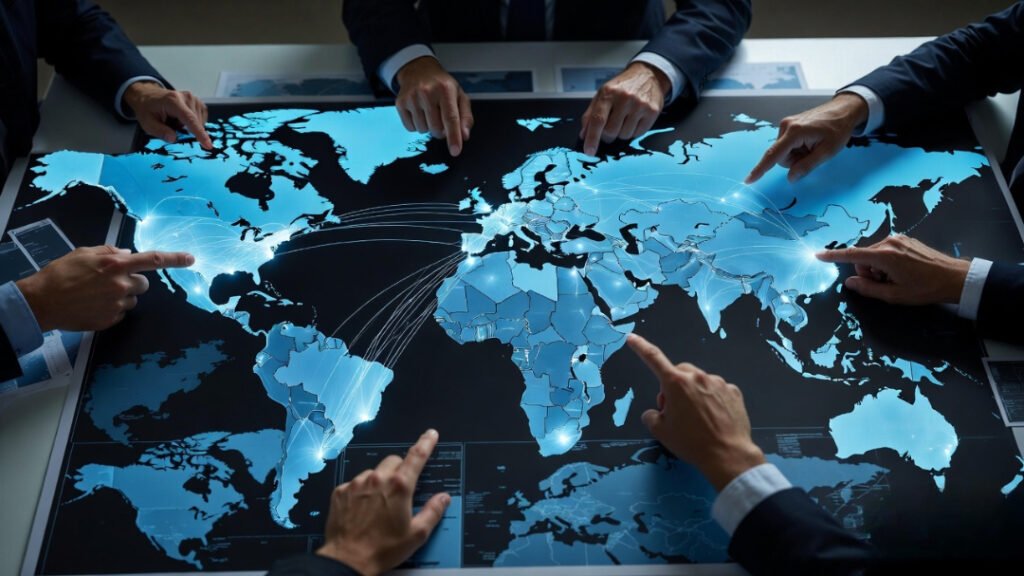
Instead of forcing one solution, you combine multiple incentives until everyone goes:
“Okay… fine… that actually works.”
Example: Diplomacy Through Trade
One of the most common global diplomacy tactics today is economic cooperation.
Countries that trade heavily with each other are less likely to fight.
Why?
Because war would wreck the economy for both sides.
Which is why agreements like the European Union exist.
Multiple countries connected through trade, regulation, and political coordination.
It’s basically diplomacy wrapped in economics.
And honestly?
Pretty clever.
The Alliance Web
Another part of smart diplomacy is alliances.
Not just military ones like NATO, but flexible partnerships across different issues.
Climate cooperation.
Technology sharing.
Security agreements.
Countries build networks.
It’s like LinkedIn… but for governments.
And the more connections a country has, the more influence it carries in diplomacy in a divided world.
The Technology Twist
Here’s where things get kinda wild.
Diplomacy used to happen mostly in conference rooms.
Now?
Technology plays a huge role.
Leaders meet through secure video calls.
Data analysis helps predict geopolitical risks.
Even social media shapes diplomatic messaging.
Which means a tweet can sometimes cause a diplomatic ripple halfway around the world.
Weird times.
The Rise of Quiet Negotiations
Here’s something I didn’t realize until recently.
A lot of international cooperation strategies happen quietly.
No cameras.
No dramatic speeches.
Just teams of diplomats meeting over and over again until progress happens.
It’s slow.
Sometimes painfully slow.
But it works more often than people think.
The Role of Middle Powers
Another fascinating shift in smart diplomacy is the growing role of mid-sized countries.
Not superpowers.
But influential players.
Countries like Norway, Qatar, and Singapore often act as mediators in conflicts.
They host negotiations.
They bridge communication gaps.
It’s like being the calm friend who helps two arguing people talk things out.
And honestly?
The world needs more of those friends.
Soft Power Still Matters
Here’s something funny about diplomacy.
It’s not always about policies.
Sometimes it’s about culture.
Music.
Movies.
Education.
Countries with strong cultural influence have an easier time building goodwill internationally.
I mean, think about how many people around the world know American pop culture or watch shows like Stranger Things.
That familiarity builds subtle connections.
Which—believe it or not—can influence Smart Diplomacy Rising in surprising ways.
Diplomacy Is Also… A Lot of Patience
One thing I’ve learned reading about diplomacy is this:
It requires ridiculous patience.
Imagine negotiating something for five years.
Then finally reaching an agreement.
Then spending another five years implementing it.
That’s basically normal in modern diplomatic strategy.
Diplomacy isn’t a sprint.
It’s a marathon.
Sometimes a very slow marathon.
The Problem With a Divided World
Here’s the challenge though.
The more divided the world becomes, the harder diplomacy gets.
Different political systems.
Different priorities.
Sometimes it feels like trying to solve a puzzle where half the pieces belong to another box.
And yet… diplomacy keeps evolving.
That’s why smart diplomacy matters.
It adapts.
It finds new ways to build cooperation even when the world feels fragmented.
A Random Pop Culture Thought about Smart Diplomacy Rising
You know what diplomacy reminds me of sometimes?
The Avengers.
Seriously.
Different personalities.
Different agendas.
Occasional arguments.
But when things get serious, they figure out how to work together.
The world stage works kind of the same way.
Not perfect teamwork.
But teamwork when it counts.
Two Fun Links If You Like This Topic
A fascinating behind-the-scenes diplomacy blog:
https://diplopundit.net
And if you want a surprisingly realistic fictional look at diplomacy, check out the show Madam Secretary.
Final Thought about Smart Diplomacy Rising
Sometimes the news makes the world look like it’s constantly on the edge of chaos.
Arguments.
Rivalries.
Competing interests everywhere.
But behind all that noise, diplomats are still working.
Still negotiating.
Still experimenting with smart diplomacy to keep conversations going.
And honestly?
That might be one of the most underrated reasons the world doesn’t fall apart more often.
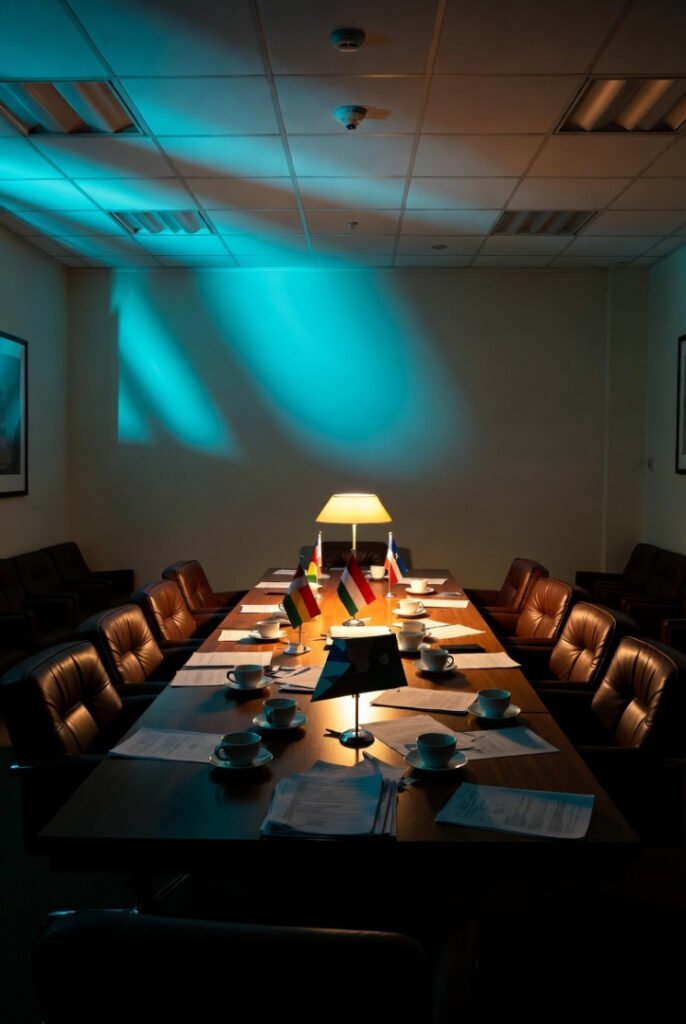
Because somewhere—right now—there’s probably a quiet room, a long table, a few tired negotiators, and a conversation that might slowly turn conflict into cooperation.
Messy.
Slow.
But surprisingly powerful.


