

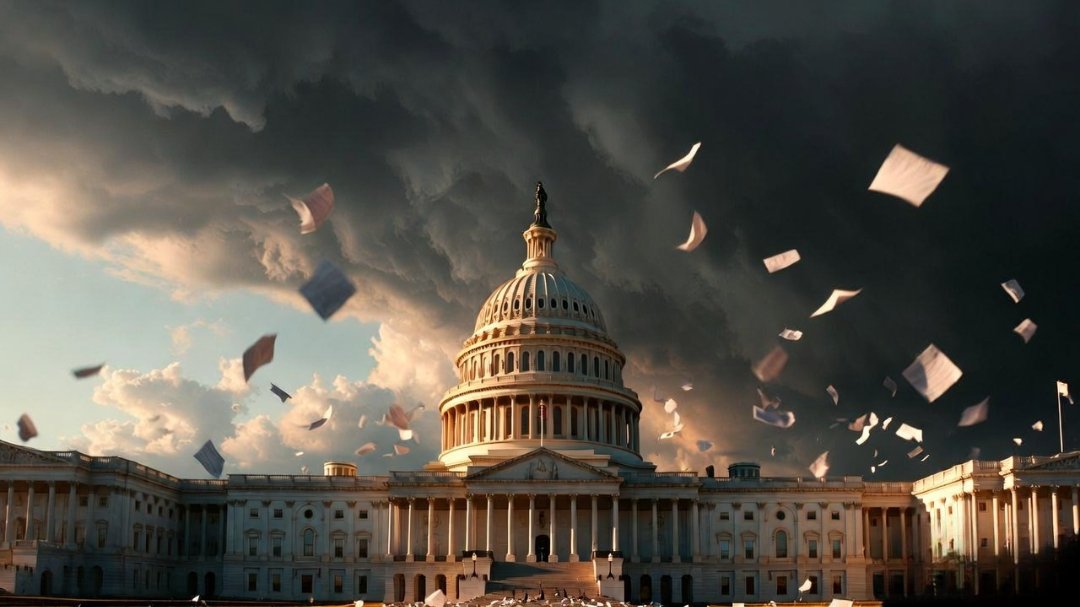
The phrase legislation wars always makes me picture something dramatic.
Like senators in gladiator armor yelling across the Senate floor.
Which… honestly might be more productive than what actually happens.
The first time I really noticed how these legislation wars work was during a long, very boring Sunday afternoon.
You know the type.
Rain outside.
Coffee going cold.
Scrolling news headlines like it’s a sport.
And every headline looked like this:
- “Bill stalls in Congress”
- “Senate deadlock continues”
- “Lawmakers fail to reach agreement”
At some point I said out loud to nobody in particular:
“Do they ever actually finish anything?”
My dog looked at me like, good question dude.
That’s when I started realizing something weird about American politics.
The biggest political battles aren’t always loud.
Sometimes they’re just… slow.
Painfully slow.
Like watching a group chat argue for three days about where to eat dinner.
Except instead of tacos, it’s healthcare, taxes, infrastructure, immigration, energy policy…
You know.
Small stuff.
My First Experience With Political Gridlock
I remember back in college, a professor tried explaining political gridlock.
He drew a giant flowchart on the whiteboard.
It had arrows going everywhere.
Committees.
Subcommittees.
Amendments.
Votes.
More votes.
Conference committees.
More amendments.
At some point someone in the class asked:
“So when does the law actually happen?”
And the professor just laughed.
Not a happy laugh.
More like the laugh of someone who has read too many congressional documents.
The Real Problem With Legislation Wars
Here’s the thing people don’t always realize.
Legislation wars aren’t just political drama.
They actually slow down real solutions.
Infrastructure repairs.
Healthcare reforms.
Education funding.
Technology regulations.
All of it gets tangled in these massive political tug-of-wars.
Imagine trying to build a bridge while two teams argue about what color the bridge should be.
Meanwhile the river keeps flooding.
That’s politics sometimes.
A Quick Reality Check About Congress
Congress was designed to move slowly.
That part is intentional.
The founders didn’t want laws being passed impulsively.
Which makes sense.
You don’t want major policies changing every five minutes.
But modern congressional battles sometimes go beyond “careful debate.”
They turn into endless stalemates.

Like when two stubborn friends refuse to apologize first.
So nobody talks for six months.
Except in this case… it’s national policy
Why Political Gridlock Happens So Often
A few reasons.
And some of them are honestly kinda human.
1. Elections Never Really End
Every politician is always thinking about the next election.
Which means compromise sometimes looks risky.
If you give an inch, opponents might attack you for it later.
So… people dig in.
Hard.
2. Party Loyalty Is Powerful
Politics has always had parties.
But modern party identity is stronger than ever.
Sometimes lawmakers vote based on party strategy instead of the bill itself.
That’s not always bad.
But it can turn policy debates into team sports.
And if you’ve ever watched sports fans argue on Twitter… you know how that goes.
3. Media Amplifies Conflict
News coverage loves drama.
And political fights are dramatic.
A quiet compromise doesn’t get many clicks.
But a shouting match?
Prime-time material.
So legislation wars become the story itself.
Not the actual policy.
The Infrastructure Bill That Almost Didn’t Happen
One of the best examples of this political tug-of-war was the infrastructure debate a few years ago.
For months it felt like the bill might collapse.
Every day there was another headline:
- negotiations failing
- parties walking away
- votes delayed
At one point I remember texting a friend:
“Are they building roads or filming a reality show?”
Eventually the bill passed.
But it took so long that people almost forgot what the original goal was.
Fixing roads.
Bridges.
Water systems.

Stuff everyone actually uses.
Everyday People Feel the Delay
Here’s what’s funny — or maybe frustrating.
Most Americans aren’t obsessed with political drama.
They just want things to work.
Good schools.
Safe roads.
Affordable healthcare.
Reliable infrastructure.
But when government deadlock hits, progress slows.
And suddenly a project that should take 2 years takes 8.
Or a law that could help millions just sits in committee forever.
A Random Personal Story (Because Why Not)
Back in high school, our student council tried to pass a rule allowing open-campus lunch.
Sounds simple, right?
Just let students leave campus during lunch break.
Well.
The debate lasted THREE MONTHS.
Teachers argued about safety.
Parents worried about liability.
Students argued about pizza access.
Meetings.
Votes.
Committees.
More meetings.
Eventually the rule passed.
But by then half the senior class had already graduated.
And that… honestly felt like a perfect metaphor for stalled legislation
Is Compromise Still Possible?
Despite everything, compromise still happens.
Quietly.
Behind closed doors.
Late-night negotiations.
Phone calls nobody sees.
Some of the biggest laws in U.S. history passed because politicians eventually realized something important:
Nobody gets 100% of what they want.
Politics is messy.
But compromise is the only way anything moves forward.
A Thought That Always Sticks With Me
A former senator once said something like:
“Politics is the art of the possible.”
Which basically means…
Perfect solutions rarely exist.
But progress can still happen.
Even in the middle of legislation wars.
If You Want to Watch Politics Without Losing Your Mind
Two places I recommend if you enjoy understanding political battles without constant yelling:
Both explain policy debates pretty well without turning everything into cable-news chaos.


