

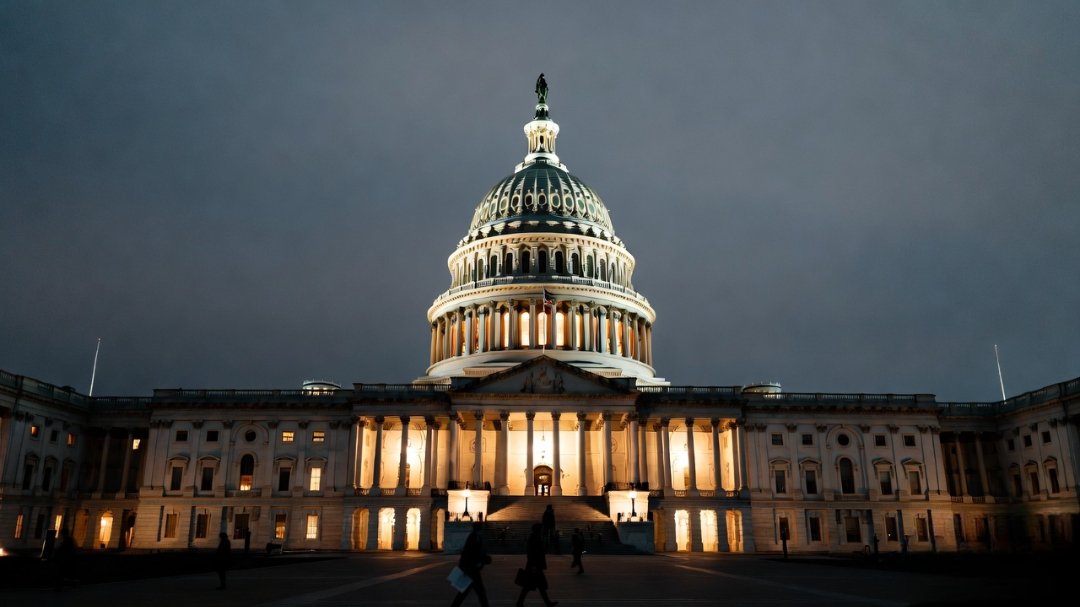
Congress Secrets About Laws……..The first time I started wondering about what Congress doesn’t want you to know about legislation, I was sitting at my kitchen table… eating leftover tacos… watching a news segment about some massive bill that had just passed.
And the reporter casually mentioned something like:
“Parts of the bill were added late in the negotiation process.”
Late.
Negotiation process.
I paused my TV and thought:
Wait… what does that actually mean?
Because the version of lawmaking we learned in school was super neat and tidy.
A bill gets written.
Congress debates it.
They vote.
Boom—law.
But the real world of legislation inside the United States Congress?
Oh man.
It’s a little chaotic. A little mysterious. And occasionally so weird that if you tried to explain it to someone they’d say:
“That can’t be how laws are made.”
Except… it kinda is.
So I went down the rabbit hole.
And wow.
There are some things about how legislation really works in Congress that most people never hear about.
The Schoolhouse Version vs. The Real One
Most of us grew up with that catchy civics lesson from Schoolhouse Rock! where the cartoon bill sings about becoming a law.
Adorable.
Helpful.
Also… wildly simplified.
The real legislative process looks more like a long group project where half the team didn’t read the assignment and someone keeps rewriting the paper at 3 AM.
Which brings us to the first weird secret about Congress Secrets About Laws.
Secret #1: Many Bills Are Thousands of Pages Long
You know those giant legislative packages politicians argue about on TV?
Some of them are thousands of pages long.
Not joking.
And here’s the part that makes people blink twice:
Not every member of Congress reads the entire bill.
Before anyone throws tomatoes—this isn’t always laziness.
Sometimes lawmakers rely on staff summaries because there simply isn’t enough time to read every word.
Still… it means votes sometimes happen on legislation that only a handful of people fully analyzed.
Which is one reason people get curious about what Congress doesn’t want you to know about legislation.
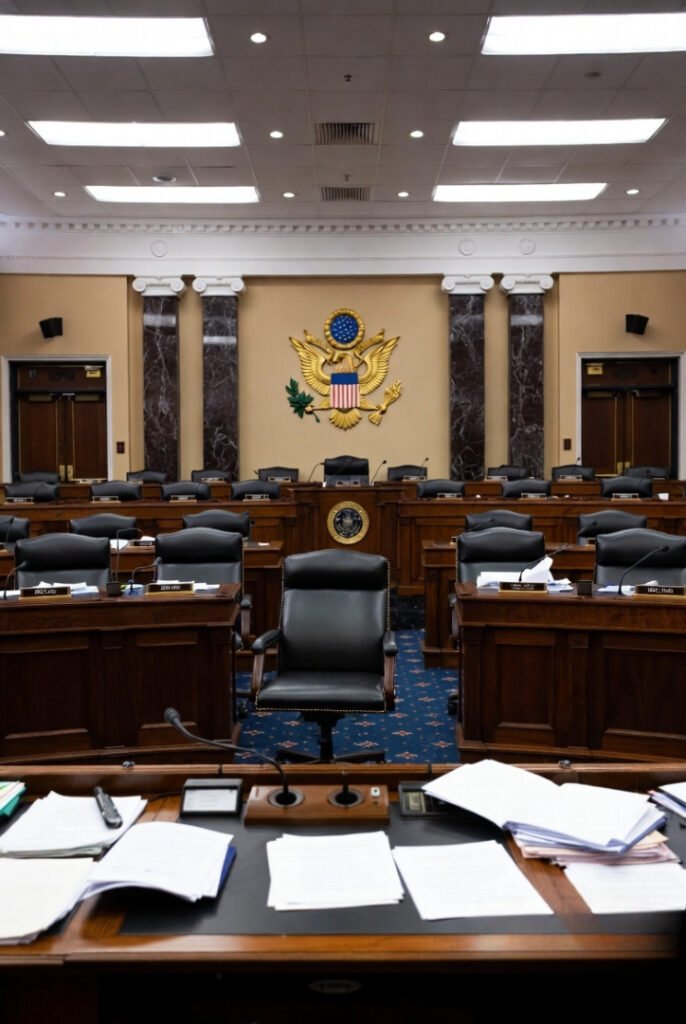
Secret #2: Staffers Actually Do a Lot of the Work
This one surprised me.
Members of Congress have staff teams who help research, write, and analyze legislation.
And these staffers are often incredibly knowledgeable policy experts.
But the public rarely sees them.
They’re the behind-the-scenes crew.
Kind of like the people who run the soundboard at a concert—you don’t see them, but without them the whole thing falls apart.
Honestly? Congressional staff might be the most underrated part of the legislative system.
Secret #3: Amendments Can Completely Change a Bill
Picture this.
A bill starts out focused on agriculture funding.
Then lawmakers add amendments.
Maybe transportation funding.
Maybe something totally unrelated.
Suddenly the bill looks nothing like its original idea.
I once read about a piece of legislation that started as one policy and ended up covering multiple unrelated issues.
Legislation sometimes becomes what insiders call a “Christmas tree bill.”
Meaning lawmakers keep hanging policy “ornaments” on it until the thing is huge.
Which… yeah… makes the legislative process confusing.
Secret #4: Lobbyists Are Everywhere
Okay, let’s talk about the elephant in the room.
Lobbyists.
Lobbying is a legal part of American politics. Groups and industries advocate for their interests.
But lobbyists often have deep expertise and strong influence when it comes to shaping legislation.
Companies.
Labor groups.
Environmental organizations.
Healthcare associations.
They all hire lobbyists to explain how policies might affect them.
Sometimes they even help draft parts of bills.
Which raises debates about whether the system gives certain voices more influence than others.
Secret #5: The Committee Stage Is Where Bills Live or Die
Most people think the big drama happens during floor debates.
But the real decision-making often happens earlier.
Inside committees.
Committees are smaller groups of lawmakers who focus on specific topics.
For example:
- defense
- education
- finance
Bills get analyzed, debated, rewritten, or quietly shelved.
A lot of legislation never even makes it past this stage.
Which means the public might hear about a bill long before it has any real chance of passing.
Secret #6: Political Timing Matters More Than You Think
Here’s something kinda fascinating.
Sometimes a bill’s success depends less on the policy and more on timing.
Is there a major election coming?
Is leadership focused on other priorities?
Politics runs on momentum.
A bill introduced at the wrong moment can disappear.
The same idea introduced later might pass easily.
Timing is weird like that.
Secret #7: Compromise Can Get… Strange
If you’ve ever negotiated with roommates about whose turn it is to do dishes, you understand compromise.
Now imagine that—but with 535 lawmakers.
That’s roughly the size of the full Congress.
Compromises happen constantly.
A senator might support a bill if another provision gets added.
A representative might change their vote after negotiations.
Sometimes legislation ends up looking like a giant patchwork quilt of compromises.
Which is both fascinating and confusing.
Secret #8: Some Bills Are Designed to Start a Conversation
This one surprised me.
Not every bill is meant to pass.
Sometimes lawmakers introduce legislation to highlight an issue or spark debate.
Think of it like planting a flag.
The bill draws media attention and public discussion.
Even if it doesn’t become law right away.
Politics often works in long timelines like that.

Secret #9: Gridlock Happens… A Lot
You’ve probably heard the phrase “Congress is deadlocked.”
That’s not just a news headline.
The system was designed with checks and balances.
Which prevents rushed decisions—but also slows everything down.
If the two chambers disagree—like the United States House of Representatives and the United States Senate—progress can stall.
Sometimes for months.
Sometimes for years.
Secret #10: The Public Actually Has More Influence Than We Think
Here’s the optimistic twist.
Public pressure does matter.
Voters call congressional offices.
Grassroots campaigns gain traction.
Media coverage shifts attention.
And sometimes lawmakers respond.
Not always instantly.
But the system does react to public opinion over time.
Democracy is messy like that.
My Weird Moment of Realization about Congress Secrets About Laws
At some point during my late-night legislative deep dive (again… tacos involved), I had this weird thought.
The system is imperfect.
Complicated.
Sometimes frustrating.
But it’s also built to prevent sudden drastic changes.
That slow pace can be annoying.
Yet it also forces debate, negotiation, and compromise.
Which, if we’re being honest, humans aren’t always great at.
One Last Thought about Congress Secrets About Laws
When people talk about what Congress doesn’t want you to know about legislation, it sometimes sounds like a conspiracy.
But most of the “secrets” aren’t really secrets.
They’re just complicated realities of governing a huge country.
Thousands of bills.
Hundreds of lawmakers.
Millions of opinions.
It’s messy.
And occasionally baffling.
But it’s also the process that shapes everything from healthcare policies to highway funding.
Which means behind every law there’s a long story of negotiations, late-night meetings, and probably someone drinking too much coffee while reading page 847 of a policy document.
Honestly?
That image makes the whole thing feel a little more human
Suggested Outbound Links
Helpful resources for readers who want to explore legislation:
Both sites allow you to track real bills moving through Congress.


