

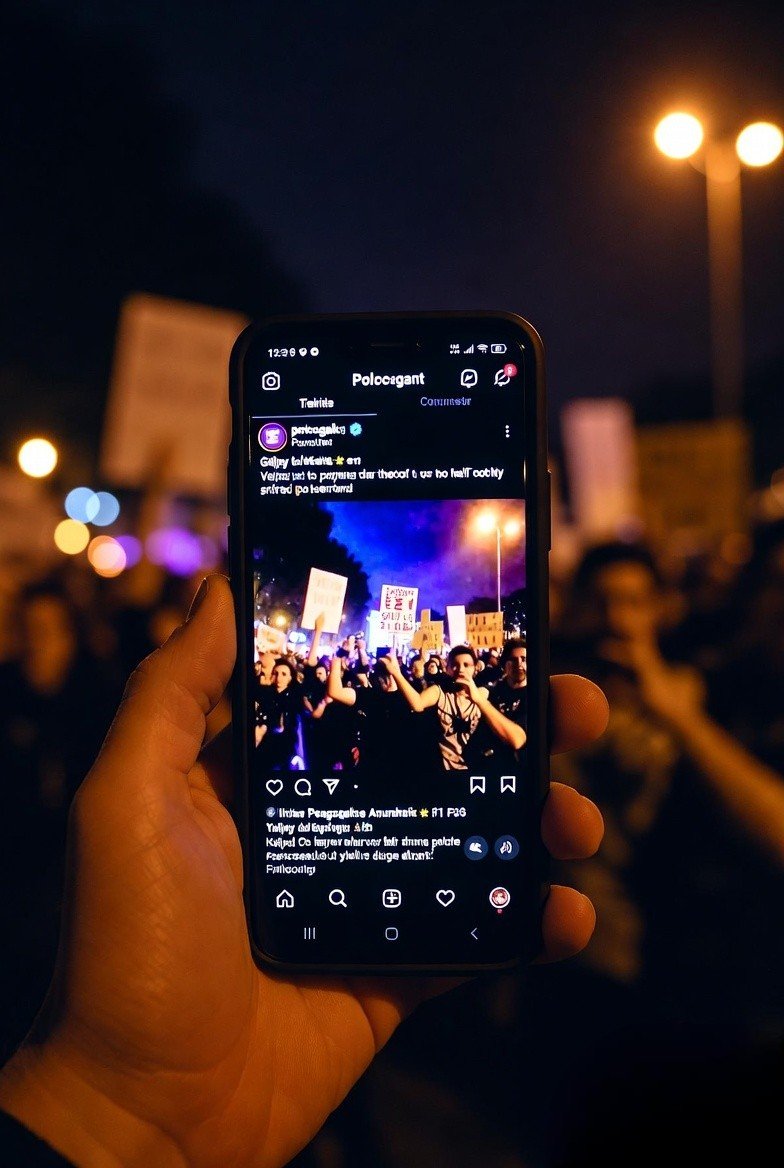
I didn’t really get how Social Media Activism Power supercharges grassroots activism until I accidentally shared something I barely understood.
Not proud of that, by the way.
It was late—like too late—and I was scrolling, half-asleep, doing that thing where you tell yourself “just one more post” (which is a lie, we all know it’s a lie). I saw a thread about a local issue—something about housing policies—and without thinking too hard, I hit share.
Next morning?
My phone looked like it had been through something.
Notifications everywhere. Messages. Comments. One person I hadn’t talked to since college suddenly had very strong opinions.
And I’m sitting there, coffee in hand, thinking:
Wait… what just happened?
That was my tiny, accidental glimpse into how fast things can move when the internet decides to care.
The Weird Power of a Single Post
Here’s the thing.
Social media doesn’t just spread information—it amplifies emotion.
And when that emotion connects with something real?
Game over.
A post goes from:
“Hey, this is interesting”
to
“Wait, this matters”
to
“Why isn’t everyone talking about this??”
in like… 12 hours.
Sometimes less.
It’s honestly a little scary how fast it happens.
But also kind of incredible.
Back in the Day (Okay, Not That Long Ago)
Before all this, grassroots activism looked very different.
Flyers. Meetings. Phone calls.
And yeah, those still exist—they matter—but now?
You’ve got platforms like Twitter (okay fine, some people call it X now, I’m still adjusting), Instagram, and TikTok acting like megaphones.
Actually, not megaphones.
More like… jet engines strapped to a bicycle.
Same movement.
Way more speed.
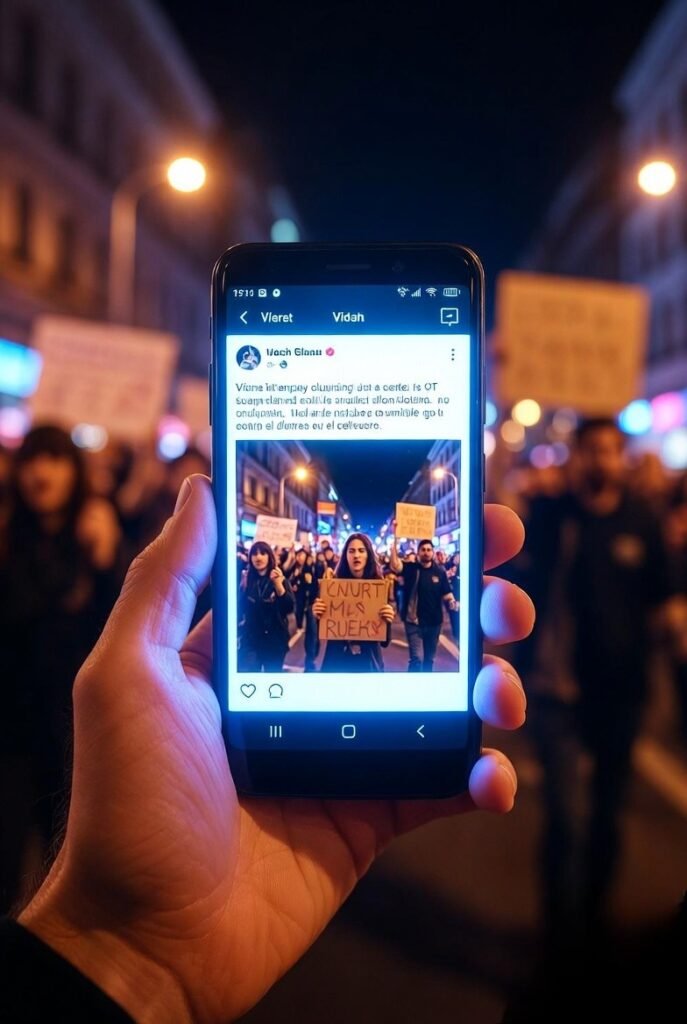
So… How Social Media Supercharges Grassroots Activism (For Real)
I used to think it was just about “going viral.”
But that’s only part of it.
There’s a whole ecosystem happening behind the scenes.
Messy. Chaotic. Kind of genius.
1. It Makes Local Feel Global Overnight
This one still blows my mind.
Something happens in one city—like, truly local—and within hours people across the country (or world) are talking about it.
Movements like Black Lives Matter didn’t stay local because social media turned individual moments into shared experiences.
You’re not just hearing about something.
You’re seeing it. Feeling it. Reacting to it in real time.
2. It Lowers the Barrier to Entry (Like… A Lot)
You don’t need to attend a meeting.
You just… show up online.
Comment. Share. Post.
That’s it.
And suddenly you’re part of something bigger.
Which is both empowering and slightly overwhelming, if I’m being honest.
3. It Turns Stories Into Momentum
Remember what I said about emotion?
Social media thrives on stories.
Not polished speeches.
Not perfect messaging.
Stories.
That’s why movements like Me Too Movement spread so widely—people sharing personal experiences created a wave that couldn’t be ignored.
It wasn’t one voice.
It was thousands.
Millions.
The Group Chat Effect (You Know Exactly What I Mean)
Every movement has that group chat.
You know the one.
- 47 unread messages
- Someone sending voice notes at 2 AM
- Random memes mixed with serious planning
It’s chaotic.
But it works.
Because social media isn’t just public—it’s also deeply personal.
It connects people in ways traditional organizing never could.
But It’s Not All Perfect (Obviously)
Okay, real talk.
Social media can also… mess things up.
- Misinformation spreads fast
- Conversations get heated (understatement)
- People argue instead of organizing
I’ve seen threads that start with good intentions turn into complete chaos in like… 20 comments.
It’s like watching a group project fall apart in real time.
And yet—despite all that—it still works.
Which is kind of wild.
The “Slacktivism” Debate (Yeah, That One)
You’ve probably heard this before:
“Posting online isn’t real activism.”
And… I get it.
Posting alone isn’t enough.
But also?
It’s not nothing.
Social media is often the starting point.
It raises awareness.
Builds momentum.
Gets people to show up offline.
Like movements such as March for Our Lives—online energy translated into real-world protests, real conversations, real pressure.
So yeah—posting isn’t the whole story.
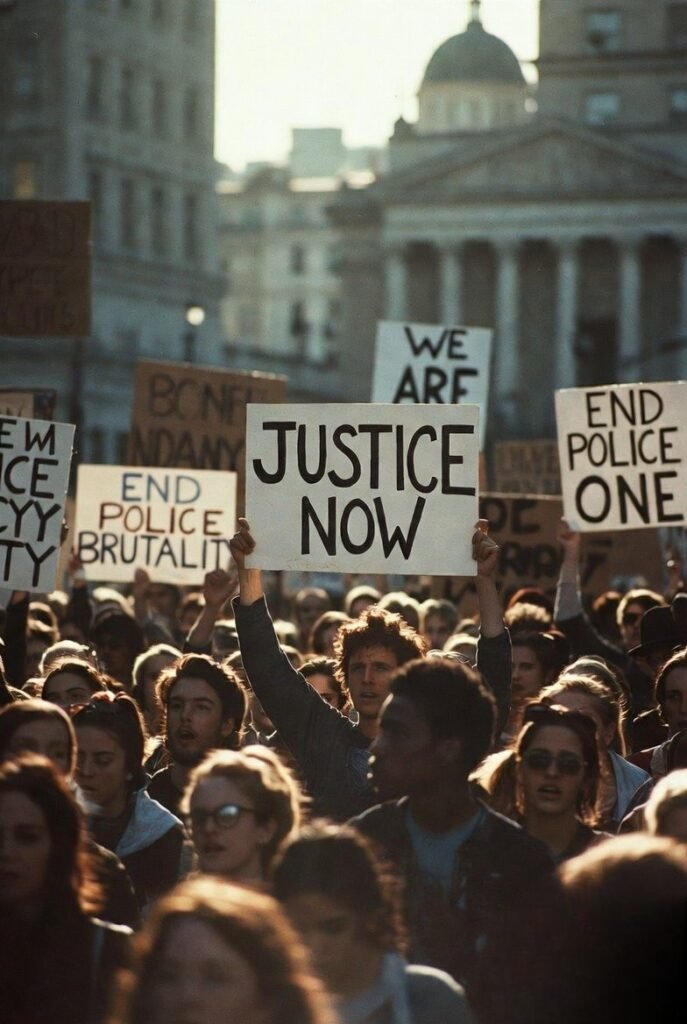
But it’s definitely part of it.
A Random Moment I Can’t Forget
I once saw a video—super low quality, shaky camera, clearly not planned.
Someone speaking at a small gathering.
No stage. No fancy setup.
Just passion.
And it blew up.
Millions of views.
And I remember thinking:
This wouldn’t have gone anywhere 15 years ago.
Now?
It can change everything.
The Algorithm (AKA The Invisible Puppet Master)
We should probably talk about this.
Because as much as I’d love to say it’s all organic…
Algorithms matter.
A lot.
They decide what gets seen.
What gets shared.
What gets buried.
And yeah, that’s a little unsettling.
But smart grassroots activists have learned to work with it.
Timing posts. Using hashtags. Engaging quickly.
It’s not just activism anymore.
It’s… strategy
Things That Actually Help a Movement Take Off Online
Okay, quick list—because my brain likes lists when things get chaotic:
- Clear messaging (not perfect, just clear)
- Shareable content (short, relatable, emotional)
- Consistency (posting once won’t cut it)
- Real voices (people can tell when it’s fake)
And honestly?
Timing.
Sometimes it’s just… right place, right moment.
A Slightly Weird Comparison (But Stay With Me)
You know how shows like Stranger Things suddenly become everywhere?
Memes. Clips. Discussions.
You can’t escape them.
Grassroots activism on social media can feel like that.
One minute it’s niche.
Next minute—it’s all anyone’s talking about.
Different stakes, obviously.
But similar energy.
If You’re Thinking “This Feels Like Too Much”
Yeah.
Same.
Sometimes social media activism feels overwhelming.
Too many voices. Too much noise.
It’s easy to feel like:
“What difference does my post even make?”
And honestly?
Sometimes… not much.
But sometimes?
It’s the post that starts something.
You just don’t know which one it’ll be
If You Wanna Learn More about Social Media Activism Power
Check out:
- Personal activism blogs—people share behind-the-scenes social media strategies
- Analysis of viral campaigns (super interesting if you like patterns and trends)
Also, fair warning—you’ll start analyzing every post you see.
“Why did this go viral??”
It becomes a thing.
Final Thought about Social Media Activism Power
How social media supercharges grassroots activism isn’t just about technology.
It’s about people.
People who care enough to post, share, organize, show up.
The tools just make it faster.
Louder.
Bigger.
But the core?
Still messy.
Still unpredictable.


