

Civil Rights Today…….I was scrolling my phone the other night—like, aggressively scrolling, the kind where your thumb starts to hurt but you keep going anyway—and I realized something weird.
We talk about civil rights in the 21st century like it’s some clean, well-defined thing. Like it’s a chapter in a textbook. Like: “Oh yes, we solved that. Moving on.”
But… have we?
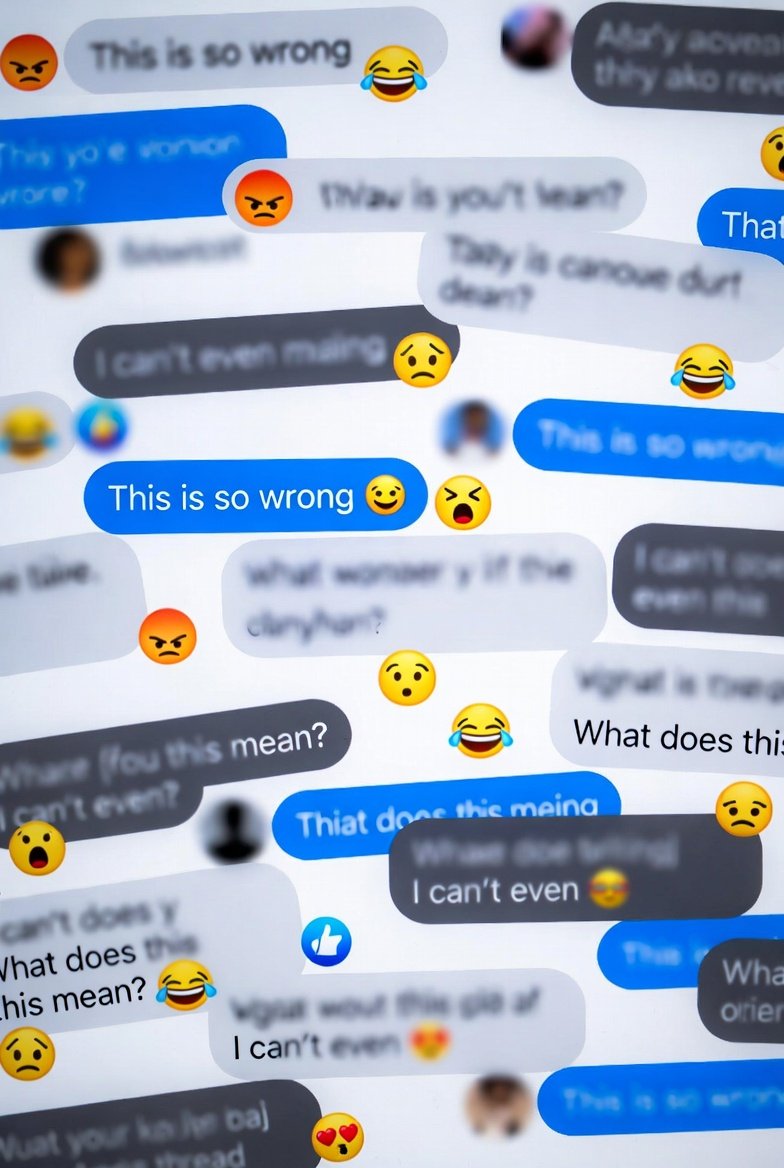
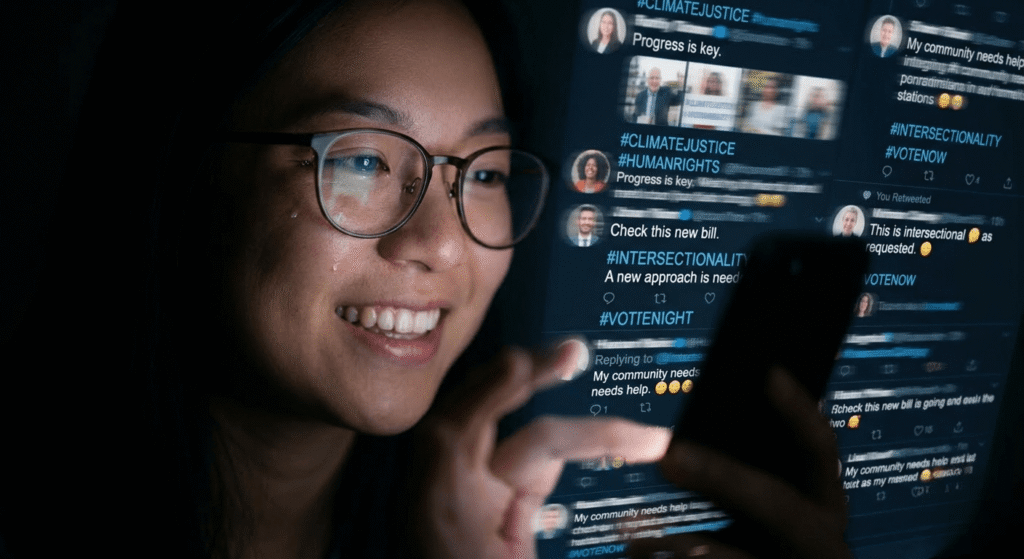
Because my feed said otherwise. One post about voting rights. Another about facial recognition tech being creepy. Then something about student debt protests. Then a video of someone getting into an argument over pronouns at a coffee shop. It’s all… connected, but also not? Like a messy group chat where nobody agrees but everyone keeps typing.
And I just sat there thinking—what even counts as civil rights now?
Back in school, it felt simpler. Or maybe just… packaged better.
Remember When Civil Rights Felt Like History?
I’m thinking back to high school. We learned about marches, speeches, laws being passed. Big moments. Clear villains. Clear heroes.
Like, you had these iconic snapshots:
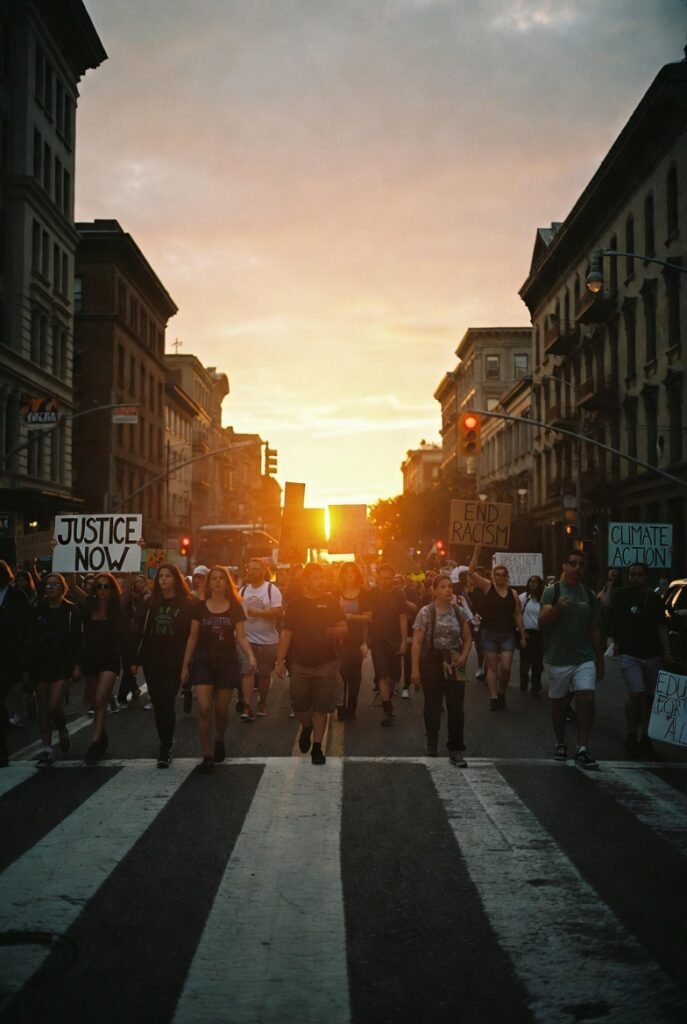
- People linking arms across bridges
- Speeches that gave you goosebumps even through a grainy classroom projector
- Laws with official-sounding names that felt like turning points
It felt… finished. Like a movie where the credits roll and you assume everyone lived happily ever after.
Except now I’m an adult (ugh), and I’m realizing—
That wasn’t the ending.
That was, like… season one.
The New Frontier Is Weirdly Invisible
Here’s the thing that gets me: a lot of modern civil rights issues don’t look dramatic.
There’s no dramatic music swelling in the background when your data gets sold.
No one’s marching (well, sometimes they are) when an algorithm decides who gets a loan or a job interview.
It’s quieter. Sneakier.
And honestly? A little harder to explain at dinner without someone saying, “Wait, why does that matter?”
Take digital privacy, for example
I didn’t think much about it until my phone started recommending things I hadn’t even typed. Just thought about. (Okay, not literally, but you know what I mean.)
And suddenly it’s like—
Wait. Who’s watching?
Who decides what I see?
And why does that feel… important in a civil rights way?
Because it is.
If someone can control your access to information—or shape it without you noticing—that’s power. Big power.
Social Justice Now Feels… Personal (Like, Uncomfortably Personal)
I used to think social justice was something you supported.
Now it feels like something you’re constantly in.
You ever be in a group chat where someone says something slightly off, and suddenly it turns into a whole thing?
Yeah. That’s kind of what civil rights discourse feels like now.
It’s not just laws and policies—it’s language, identity, daily interactions.
And sometimes I mess up. We all do.
Like, I once used the wrong term in a conversation and immediately wanted to disappear into the floor. Not because someone yelled at me—but because I realized, oh… words actually carry weight now in a very real way.
And that’s new for a lot of people.
The Internet Changed Everything (Obviously… But Also, Seriously)
Okay, this might sound obvious, but the internet didn’t just change how we talk about rights—it changed what rights even mean.
Think about it:
- Freedom of speech… but on private platforms
- Privacy… but in a world of constant surveillance
- Equality… but filtered through algorithms
It’s like the rules got rewritten, but nobody handed out the new manual.
And don’t even get me started on cancel culture debates. That’s a whole other chaotic rabbit hole.
“Wait, Is This Progress or…?”
Sometimes I can’t tell if we’re moving forward or just spinning faster.
On one hand:
- More voices are being heard
- More stories are being shared
- People are holding systems accountable in ways that didn’t exist before
On the other hand:
- Everything feels more divided
- Conversations turn into arguments real quick
- People get exhausted and just… check out
And I get it. It’s a lot.
There are days I want to stay informed, stay engaged, be part of the conversation.
And then there are days I’m like, “I cannot read one more comment section. I will lose my mind.”
The “Everyday” Side of Civil Rights (This One Sneaks Up on You)
Here’s something I didn’t expect:
Civil rights in the 21st century show up in the most random, everyday moments.
Like:
- Filling out a form and wondering why certain options aren’t there
- Watching someone get treated differently in a store and feeling that weird tension
- Deciding whether to speak up… or stay quiet and regret it later
It’s not always dramatic. Sometimes it’s just… uncomfortable.
And small.
But those small moments add up. They shape how people experience the world.
The Workplace Is a Whole Situation
Oh man. The workplace.
If you’ve ever sat through one of those diversity training sessions where everyone’s pretending to be super engaged but also kinda confused… yeah, you know what I mean.
But beneath the awkward PowerPoints, there’s something real happening.
Conversations about:
- Equal pay
- Representation
- Inclusion (and what that actually means—not just as a buzzword)
And it’s messy because companies are trying to figure it out in real time.
Some are doing great.
Some are… trying.
Some are just checking boxes and hoping nobody notices.
Quick Side Note (Because My Brain Does This)
At some point, I went down a late-night rabbit hole reading personal blogs about people’s experiences with discrimination in places you wouldn’t expect—tech jobs, small towns, even online gaming communities.
Honestly, it stuck with me more than any textbook ever did.
If you’re curious, you should check out platforms like:
- Medium (real stories, unfiltered)
- Personal essays on Substack
(Just… maybe not right before bed. Learned that the hard way.)
So What Is the Next Frontier?
I wish I had a neat answer. I really do.
But if I had to guess?
It’s this mix of things we’re still trying to wrap our heads around:
1. Digital Rights
Who owns your data? Who controls your online identity? Can you really “opt out” of anything anymore?
2. Identity & Expression
How people define themselves—and how society responds to that.
3. Economic Equality
Because let’s be honest, opportunity still isn’t evenly distributed. Not even close.
4. Global Awareness
We’re not just looking at one country anymore. We’re seeing everything, everywhere, all at once.
(It’s overwhelming. But also kind of incredible.)
And Here’s the Weird Part…
We’re all part of it.
Like, whether you’re posting, commenting, voting, ignoring, arguing, learning—whatever—you’re in the middle of this shift.
There’s no “sit this one out” option anymore.
Even silence feels like a choice now.
Which is… a lot of pressure, if I’m being honest.
The Messy Truth (No Neat Ending, Sorry)
I think we like to believe that civil rights progress is linear.
Like a straight line going up and to the right.
But it’s not.
It’s more like:
- A zigzag
- With some loops
- And the occasional “wait, how did we get back here?” moment
And maybe that’s okay.
Maybe the goal isn’t to reach some perfect endpoint.
Maybe it’s just to keep moving. Keep questioning. Keep adjusting.
Even when it’s uncomfortable. Even when it’s confusing.
One Last Thing (Because I Can’t Help Myself)
I don’t have this all figured out. Not even close.
There are days I feel informed and thoughtful and ready to engage.
And days I feel completely lost.
But I guess that’s part of living through something instead of reading about it later.
We’re not the audience.
We’re the ones in the story.
And yeah… it’s messy.
But it’s also kind of important.


