

From 9/11 to COVID………And I didn’t fully get it.
I mean—I remember the TV being on all day. Adults whispering. My mom shushing me like I’d just said something wildly inappropriate (I probably asked for snacks, honestly).
But here’s the thing…
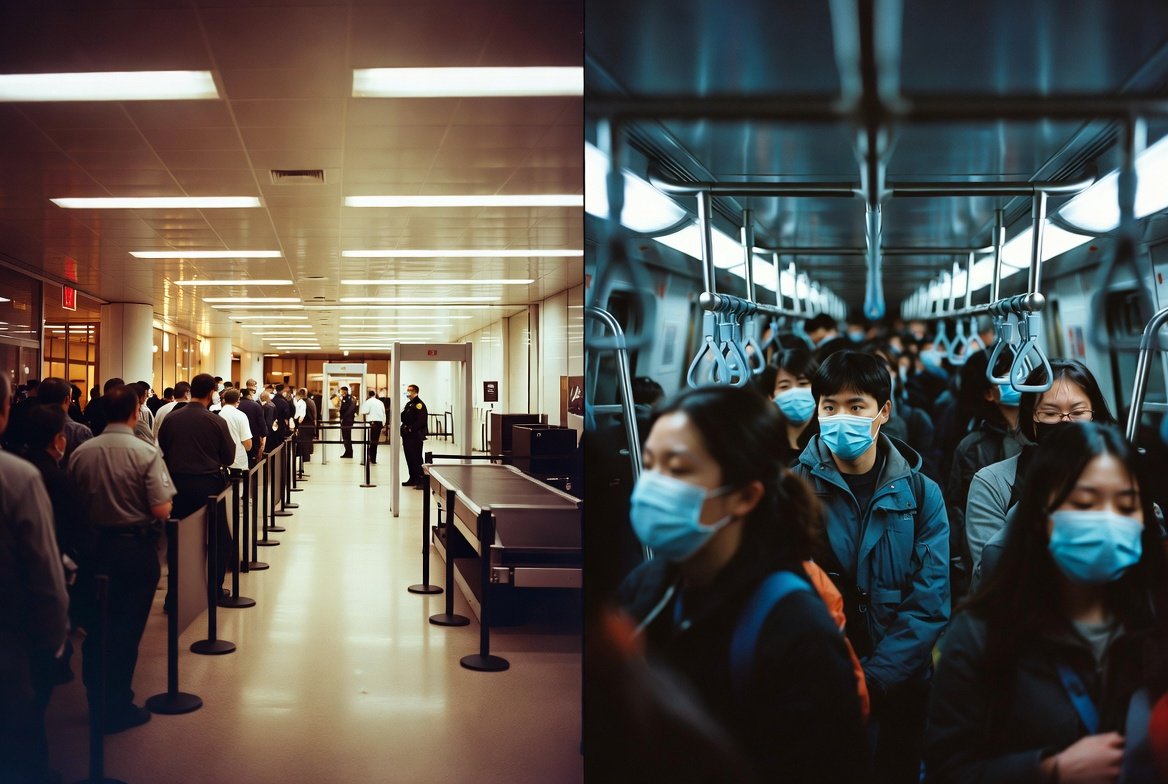
That day? It didn’t just change one moment. It kind of… rewired how the entire country operates. And I didn’t realize that until years later—like when I took my first flight and had to practically undress at airport security.
That’s when it hit me:
“Oh. This is still because of that.”
And that’s basically the story of From 9/11 to COVID: How Crises Changed U.S. Policy—it’s not just about laws. It’s about how fear, confusion, and “we need to fix this NOW” energy shape everything… sometimes forever.
The Post-9/11 Shift: Security Became Everything
Okay, so right after 9/11, the U.S. went into what I’d call full panic mode—but like, organized panic.
Suddenly, everything was about security.
And boom—enter the Patriot Act.
Now, if you’ve ever tried reading about it, your brain probably did that thing where it just… quietly exits the room.
Same.
But here’s the simplified version I wish someone told me earlier:
- The government got more power to monitor communications
- Surveillance became easier (and more normalized)
- Privacy? Kinda took a backseat
At the time, people were like:
“Yeah, okay, do whatever you need to keep us safe.”
And honestly? That reaction makes sense. Fear does that. It makes you trade long-term freedoms for short-term safety without even realizing it.
Airports changed. Intelligence agencies expanded. And the U.S. launched wars tied to the broader War on Terror.
It felt like the country collectively said:
“Never again. At any cost.”
Side Note (Because My Brain Does This)
I remember the first time I saw someone get stopped at airport security for having… shampoo.
Shampoo.
And I was like, “Wait—this is dangerous now??”
But that’s how policy trickles down into everyday life. It’s not always dramatic. Sometimes it’s just… you throwing away your water bottle before boarding.
The Quiet Creep of Surveillance (Yeah, It’s a Bit Uncomfortable)
Fast forward a few years and suddenly, surveillance wasn’t just a “government thing.”
It became… normal.
Phones, emails, data tracking—it all started expanding quietly under the justification of national security.
And look, I’m not saying it’s all bad. Some of it probably prevented real threats.
But also…
Have you ever stopped mid-text and thought, “Should I reword this?”
No? Just me? Cool cool cool.
Then Came the Curveball No One Saw Coming: COVID-19 pandemic
If 9/11 was about external threats, COVID was like—
“Hey. What if the threat is literally… everywhere?”
I remember March 2020 so vividly. It felt like a weird movie montage:
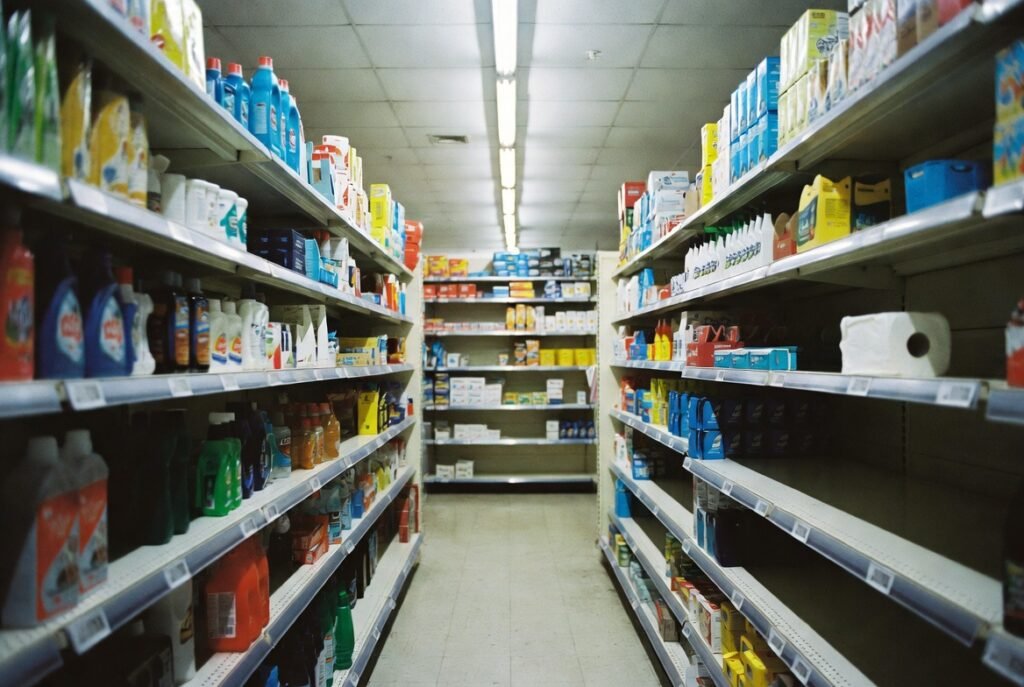
- Empty grocery store shelves
- People baking bread like their lives depended on it
- Zoom calls where nobody knew how to unmute
And again, just like after 9/11, the government had to act fast.
But this time, it wasn’t about terrorism. It was about public health.
COVID Policy Changes: A Totally Different Kind of Control
Instead of surveillance (well, mostly), the focus shifted to:
- Lockdowns
- Mask mandates
- Vaccine rollouts
- Economic stimulus packages
The Centers for Disease Control and Prevention suddenly became a household name.
Like—my uncle, who once called Wi-Fi “the internet machine,” was now quoting CDC guidelines at dinner.
Wild times.
And then there was the CARES Act, which basically tried to keep the economy from completely collapsing.
Stimulus checks showed up and people were like:
“Wait… is this real money??”
The Weird Trade-Off (Again)
Just like after 9/11, there was this unspoken deal:
“We’ll accept restrictions… if it helps us survive this.”
And again, it made sense.
But also—some of it felt surreal.
I mean… being told you can’t leave your house? That’s not something most Americans ever thought they’d hear outside of a sci-fi movie.
Personal Moment (Okay, Slightly Embarrassing)
I tried to make sourdough bread during lockdown.
It failed. Spectacularly.
Like… it looked like a science experiment gone wrong.
But weirdly, that’s how I remember that time—not just policies or press briefings, but small human moments. Everyone just… trying to cope.
How These Crises Changed U.S. Policy (For Real Though)
If you zoom out (which I rarely do, but let’s try), both crises reshaped U.S. policy in big, lasting ways:
1. Government Power Expands During Crisis
After 9/11 → surveillance & military action
After COVID → public health authority & economic intervention
Different tools. Same pattern.
2. Fear Speeds Up Decision-Making
There’s no “let’s think about this for 6 months” during a crisis.
It’s more like:
“Decide now. Fix later.”
And sometimes… the “fix later” part never fully happens.
3. Temporary Measures Stick Around
This one gets me.
Airport security? Still intense.
Data monitoring? Still happening.
Remote work policies? Still evolving.
Crises leave behind… leftovers.
The Emotional Side No One Talks About Enough
Policies aren’t just rules. They’re reactions to collective fear.
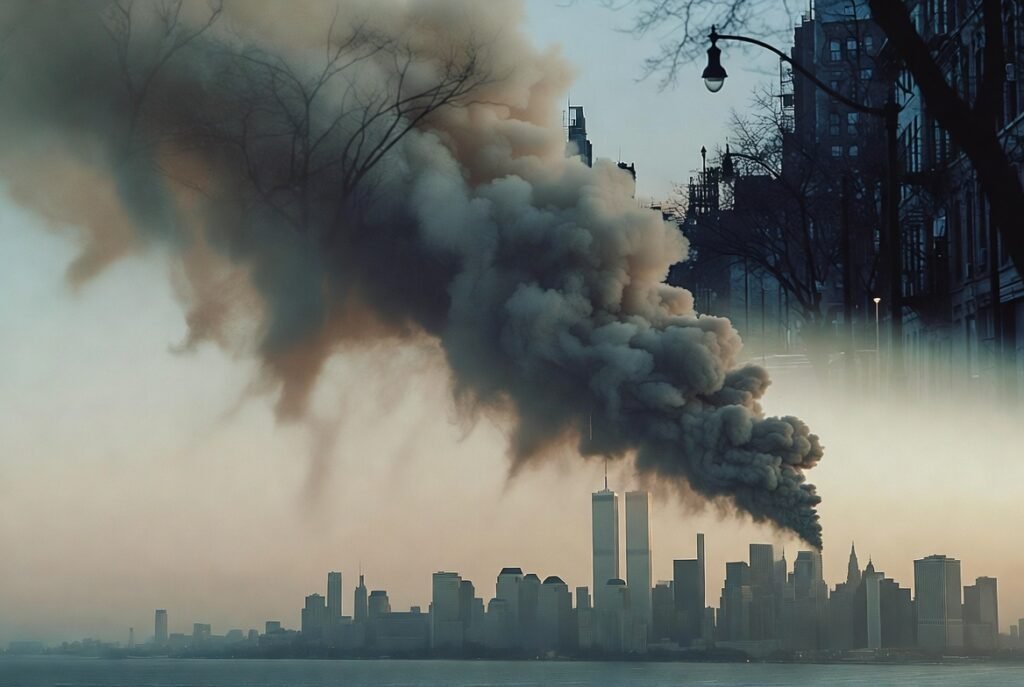
After 9/11, people were scared of each other.
After COVID, people were scared of… literally breathing near each other.
And that changes behavior.
You trust differently. Travel differently. Even exist differently.
A Random Thought I Can’t Shake
What’s the next crisis going to be?
(Yeah, I know. Not exactly a fun question.)
But if history tells us anything, it’s this:
Whatever it is… policy will change again. Quickly. Messily. Probably imperfectly.
If You Want to Go Down a Rabbit Hole…
Okay, so if you’re like me and occasionally fall into 2 AM internet spirals:
- Check out some personal reflections on 9/11 at The New York Times “Portraits of Grief” series (seriously emotional stuff)
- Or browse Reddit threads about early COVID lockdown experiences—equal parts hilarious and heartbreaking
(Not academic sources. But very human.)
Final Thoughts (Or… Whatever This Is)
I started writing about From 9/11 to COVID: How Crises Changed U.S. Policy, and somehow ended up thinking about bread, airport shampoo rules, and existential dread.
So… that tracks.
But here’s the honest takeaway:
Crises don’t just change laws—they change us.
And then we build policies around the version of ourselves that’s trying to feel safe again.
Sometimes that works. Sometimes we don’t even notice until years later when we’re standing barefoot in an airport security line wondering how we got there.
And maybe that’s the weirdest part.
Not the crisis itself.
But how quickly we adapt… and how rarely we question what sticks around after.


