

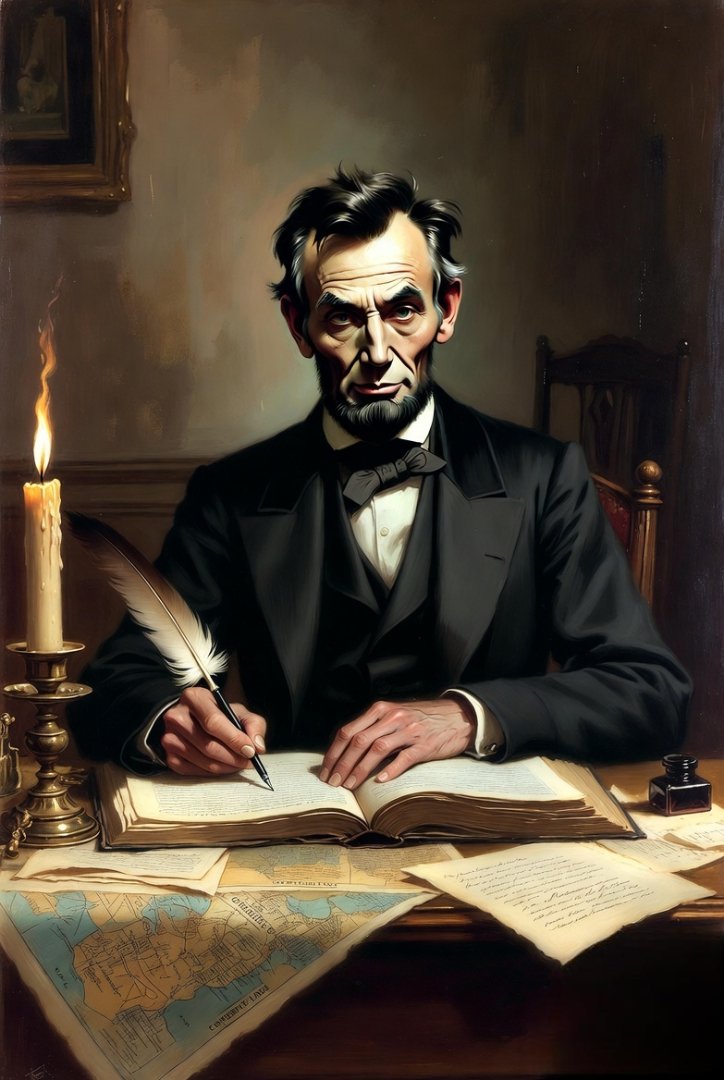
The phrase “Presidential Regrets Revealed” sounds dramatic, right? Like a Netflix documentary voiceover.
But honestly… once I started thinking about it, it made perfect sense.
Because look — presidents are just people. Very powerful people, sure, but still human.
And humans mess things up.
Sometimes small stuff.
Sometimes… history-book-level stuff.
I realized this one night when I was reading about Harry S. Truman and how he struggled with the decision to use atomic weapons at the end of World War II.
Imagine carrying that decision around in your brain forever.
Like… you can’t just shrug and say “my bad.”
There’s no undo button in the Oval Office.
Which got me thinking — every president probably has at least one moment where they stare at the ceiling at night and think:
“Yeah… maybe that one didn’t go exactly as planned.”
And some of those regrets?
They changed the entire country.
The President Who Regretted Acting Too Late
Let’s start with a fascinating one.
Abraham Lincoln is often remembered as one of America’s greatest leaders.
And honestly, that reputation is pretty well earned.
But historians believe Lincoln regretted how slowly he initially moved against slavery.
Early in the American Civil War he focused mostly on preserving the Union rather than abolishing slavery outright.
Later he issued the Emancipation Proclamation, which transformed the moral direction of the war.
But reading some of his letters, you can sense the tension.
Leadership sometimes means realizing the right move… later than you wish you had.
You ever do that?
Think of the perfect response to an argument two days later?
Yeah. Like that — except history is watching.
The President Who Regretted Trusting the Wrong People
Now let’s talk about Ulysses S. Grant.
Grant was a war hero. The guy helped win the Civil War.
But his presidency? Oof.
The administration was plagued by corruption scandals, including the infamous Whiskey Ring scandal.
The weird thing is Grant himself was widely seen as honest.
His problem was trusting people who… weren’t.
Ever had a coworker recommend someone for a job and it turned into a disaster?
Multiply that by a thousand and add national headlines.
Grant later admitted he regretted putting faith in some advisers.
Which is a tough lesson to learn when you’re running an entire country.
The Regret That Changed Presidential Power
Here’s a fascinating twist.
Franklin D. Roosevelt accomplished an enormous amount during the Great Depression.
But he later admitted one move might have been a mistake.
The court-packing plan.
Basically, Roosevelt tried to expand the Supreme Court during the New Deal era so he could appoint additional justices.
Critics exploded.
Even some supporters were like:
“Uh… that’s a little extreme.”
The proposal failed and damaged Roosevelt politically for a while.
It’s a classic example of something presidents sometimes forget:
Winning big doesn’t mean you can push every idea through.
Even powerful leaders can overreach.

The Cold War Decision That Still Sparks Debate
Let’s circle back to Harry S. Truman.
He authorized the atomic bombings of Hiroshima and Nagasaki.
Historians still debate that decision constantly.
Some argue it ended the war faster.
Others believe alternatives existed.
Truman defended the decision publicly throughout his life.
But accounts from people close to him suggest the weight of it stayed with him.
I mean… how could it not?
When the consequences of your decision echo across generations, that’s not something you just forget about.
When a Presidency Ends in Presidential Regrets Revealed
Okay now we get to the big one.
The story everyone knows.
Richard Nixon.
His presidency collapsed because of the Watergate scandal.
The break-in.
The cover-up.
The investigations.
Eventually Nixon resigned.
First president in American history to do it.
Later interviews suggest he deeply regretted how things spiraled.
It’s one of the most dramatic examples of how one decision can destroy an entire legacy.
Imagine climbing the political mountain for decades… and then slipping near the top.
Brutal.
The Regret That Turned Into a National Joke
Let’s lighten things slightly.
Because politics has its awkward moments too.
Bill Clinton faced impeachment during the Clinton–Lewinsky scandal.
For months the entire country argued about testimony, legal definitions, and personal conduct.
It became late-night comedy gold.
But for Clinton himself? Definitely not funny.
Later reflections suggest he deeply regretted how personal decisions affected his presidency.
Sometimes the mistake isn’t policy.
Sometimes it’s just… human behavior.
Which turns out to matter a lot when you’re president.
A Random Thought I Had About Presidential Regrets Revealed
Here’s something that hit me while researching all this.
Presidents operate in a world where every decision is permanent.
Normal people make mistakes and maybe a few coworkers notice.
Presidents make mistakes and it ends up in:
- history books
- documentaries
- debate stages
- college essays
That’s… a lot of pressure.
Honestly, I can barely choose what to eat for dinner some nights.
A Couple Fun History Rabbit Holes
If you like reading about strange political stories, two great places to explore:
- Presidential History Geek — quirky deep dives into presidential trivia
- McSweeney’s Internet Tendency — hilarious political satire
Both are perfect when you accidentally fall into a midnight history binge.
Which I definitely do more often than I should.
The Real Lesson Behind Presidential Regrets
Here’s the weird part.
Sometimes a president’s biggest regret ends up shaping future policy.
For example:
- Watergate led to stronger government oversight laws
- Civil War policies reshaped civil rights history
- Cold War decisions influenced global diplomacy for decades
Mistakes don’t disappear.
But they sometimes push the country toward change.
Which is a strange way history moves forward.


