

U.S. Trade Deals & Supply Chains……A couple years ago I ordered a phone charger online at like… midnight. Classic impulse purchase. My old charger had died in dramatic fashion—spark, tiny pop, the whole thing.
Two days later the package arrived.
Which is when my brain did this weird little pause.
Because I looked at the label and it said something like:
Made in Vietnam.
Parts sourced from China.
Distributed by a company in the United States.
And I had this moment where I realized something kinda wild:
The fact that my midnight charger showed up in two days probably had something to do with the way U.S. Trade Deals & Supply Chains.
Which sounds boring at first.
But honestly?
The more I learned about it, the more fascinating it got.
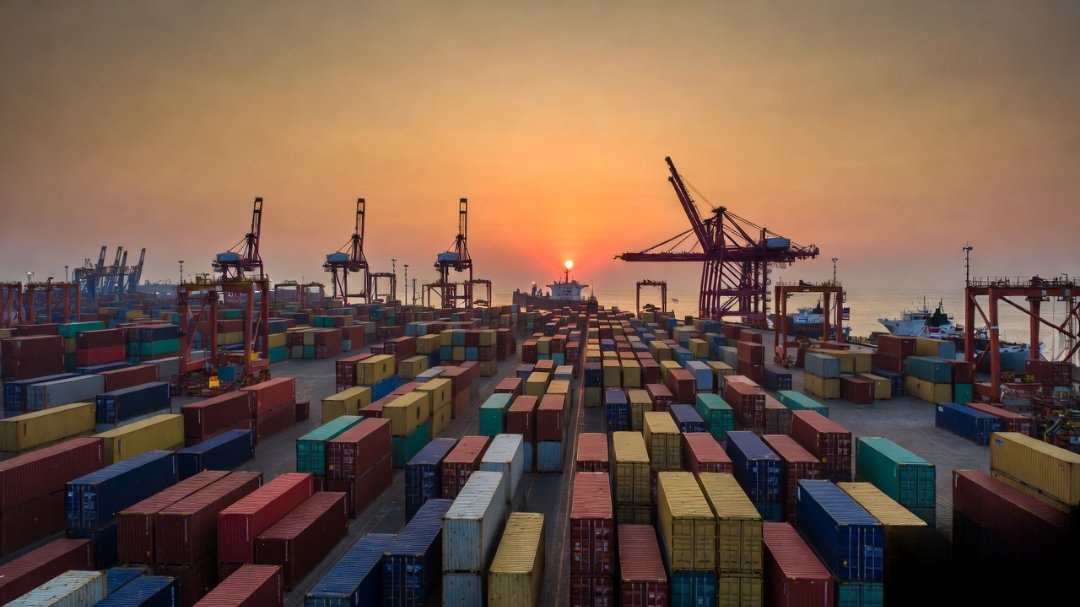
Because global supply chains are basically the invisible highways of the world economy.
And U.S. trade agreements are a big reason those highways stay open.

The World’s Stuff Doesn’t Come From One Place Anymore
If you rewind history like… 60 years, manufacturing was simpler.
Companies made products mostly in one country.
End of story.
But modern supply chains?
They’re like a giant international relay race.
One product might involve five different countries.
Take smartphones for example.
Parts might come from:
- South Korea (screens)
- Taiwan (semiconductors)
- Japan (materials)
- China (assembly)
Then the finished phone ships to stores in the United States.
It’s basically a global group project.
And like every group project… things fall apart quickly without rules.
That’s where trade agreements come in.
Trade Deals Are Like Traffic Rules for the Global Economy
Here’s a weird metaphor I once used explaining this to my cousin.
Imagine the world economy as one gigantic highway system.
Cars are goods.
Trucks are shipping companies.
Ports are intersections.
Without rules?
Total chaos.
Trade deals basically set the rules that allow global supply chains to move smoothly.
Things like:
- tariffs (taxes on imports)
- customs procedures
- product safety standards
- shipping regulations
U.S. trade agreements often influence those rules because the American economy is… well… huge.
Companies around the world want access to American consumers.
Which means they pay attention when the U.S. negotiates trade deals.
A Quick Detour Into One Famous Trade Agreement
One of the biggest examples of this is the United States–Mexico–Canada Agreement.
It replaced the old North American Free Trade Agreement.
That agreement basically shaped supply chains across North America.
Car manufacturing is the perfect example.
A car sold in the U.S. might have:
- engines built in Mexico
- parts manufactured in Canada
- final assembly in the United States
Without a trade agreement coordinating those relationships?
Costs would explode.
And supply chains would slow down dramatically.
Businesses Plan Around U.S. Trade Deals
Here’s something that surprised me.
Companies don’t just react to trade deals.
They plan entire supply chains around them.
Factories get built based on trade access.
Shipping routes are designed around tariff rules.
Distribution hubs are placed strategically to take advantage of trade agreements.
I once talked to a logistics manager (nice guy, loved spreadsheets a little too much) who said something interesting.
He told me:
“Trade agreements are basically the blueprint for global supply chains.”
Which honestly makes sense.
If a company knows tariffs will be low between certain countries, it makes production there way more attractive.
If tariffs jump?
Supply chains move.
Factories relocate.
Investments shift.
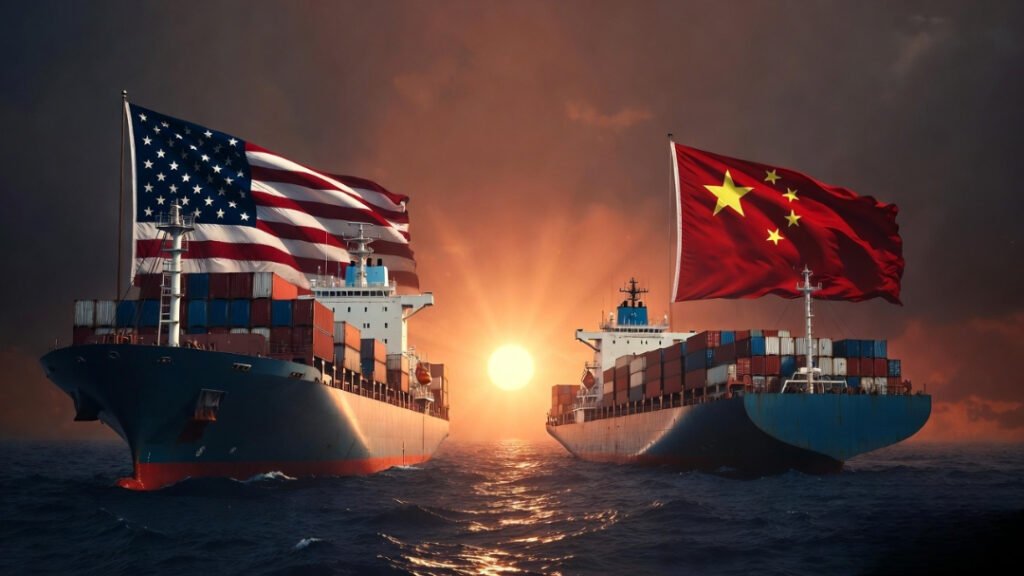
It’s like economic musical chairs.
The U.S. Market Is Too Big to Ignore
Another reason global supply chains depend heavily on U.S. trade deals?
The American consumer market is gigantic.
We buy… a lot of stuff.
Phones.
Shoes.
Coffee makers.
Gaming consoles.
You name it.
Companies around the world want access to that market.
Which means trade agreements involving the United States carry enormous weight.
Even countries not directly involved in a deal often adjust their strategies based on U.S. trade policy.
It’s kind of like the world’s biggest customer setting the house rules.
Supply Chain Chaos Showed Why This Matters
Remember the supply chain chaos during the pandemic?
Because wow.
That was… something.
Empty shelves.
Delayed shipments.
Random shortages of things like bicycles and computer chips.
The breakdown revealed just how fragile global supply chains can be.
And it also showed something important.
Countries with strong trade partnerships recovered faster.
Why?
Because trusted trade relationships allow goods to move more smoothly during disruptions.
Which is why recent administrations—including policies under Joe Biden—have focused heavily on strengthening supply chain cooperation with allies.
Technology Supply Chains Are Even More Complicated
Now let’s talk about the most dramatic supply chain of all.
Semiconductors.
These tiny chips power:
- smartphones
- cars
- medical devices
- artificial intelligence
And the supply chain is unbelievably global.
Companies like TSMC, Intel, and Samsung Electronics operate across multiple continents.
Trade rules determine how easily those components move between countries.
Which means global tech supply chains rely heavily on stable trade relationships.
Without them?
Production slows.
Innovation slows.
And prices climb.
Nobody wants $2,000 smartphones.
Okay maybe some people do.
But not me.
The Politics Behind the Logistics of U.S. Trade Deals & Supply Chains
Here’s the thing that makes global supply chains tricky.
Trade deals aren’t just economic tools.
They’re political decisions too.
Governments negotiate trade rules based on:
- economic interests
- national security
- labor standards
- environmental concerns
Which is why trade agreements sometimes take years to finalize.
And sometimes collapse dramatically.
I remember following negotiations for the Trans-Pacific Partnership years ago and thinking:
“This feels like watching a really slow chess match.”
But those decisions shape how goods move around the world for decades.
A Random Moment That Made This Click
Last year I was talking with a friend who works in shipping logistics.
He casually mentioned something fascinating.
He said global supply chains often shift before new trade agreements even take effect.
Companies anticipate changes.
Factories move.
Investments flow.
Businesses basically try to get ahead of policy changes.
So when a new U.S. trade agreement appears on the horizon?
Supply chains start adjusting months—or even years—beforehand.
That blew my mind a little.
If You Want to Nerd Out About U.S. Trade Deals & Supply Chains
If global trade suddenly sounds interesting (welcome to the club), you might enjoy some explainers from World Trade Organization.
They publish surprisingly readable breakdowns of international trade systems.
And economic storytelling sites like Council on Foreign Relations also explain global supply chains in ways normal humans can understand.
Fair warning though.
You might start seeing trade policy everywhere after that.
I do.
At the grocery store.
In electronics stores.
Even when ordering midnight phone chargers.


