

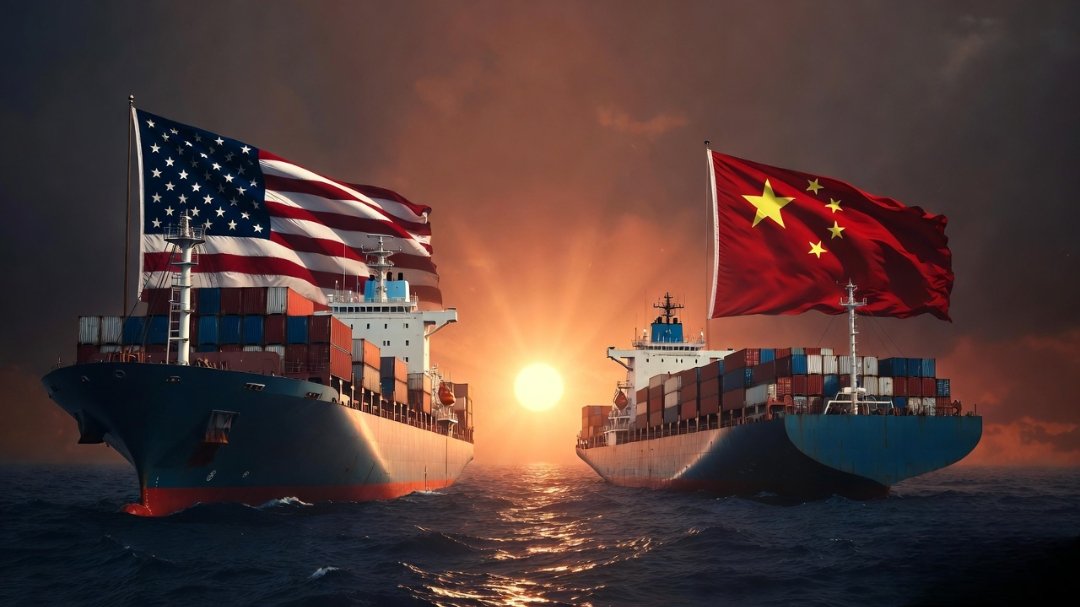
The first time I heard someone explain the U.S.–China Trade War Stakes, I was sitting at a bar watching a baseball game and halfway paying attention. My friend Jake suddenly goes,
“Dude, tariffs are about to make your next iPhone more expensive.”
And I laughed.
Because… come on. Everything supposedly makes iPhones more expensive.
But the weird thing? The more I started reading about the U.S.–China trade war, the more I realized this thing isn’t just some boring headline economists argue about on cable news.
It’s about technology, jobs, power, and honestly… the future of the global economy.
Which sounds dramatic.
But also… kinda true.
And once you start seeing it, you can’t unsee it.
A Quick Story About a Washing Machine (Stay With Me)
A few years ago my neighbor bought a new washing machine.
He comes outside while I’m walking my dog and goes:
“Why are washing machines suddenly so expensive?”
I shrugged.
“Inflation?”
He pulls out his phone and goes, “Nope. Tariffs.”
Turns out the Donald Trump administration had imposed tariffs on imported appliances during the trade conflict with China.
Manufacturers raised prices.
Retailers adjusted.
Consumers—aka my neighbor—paid more.
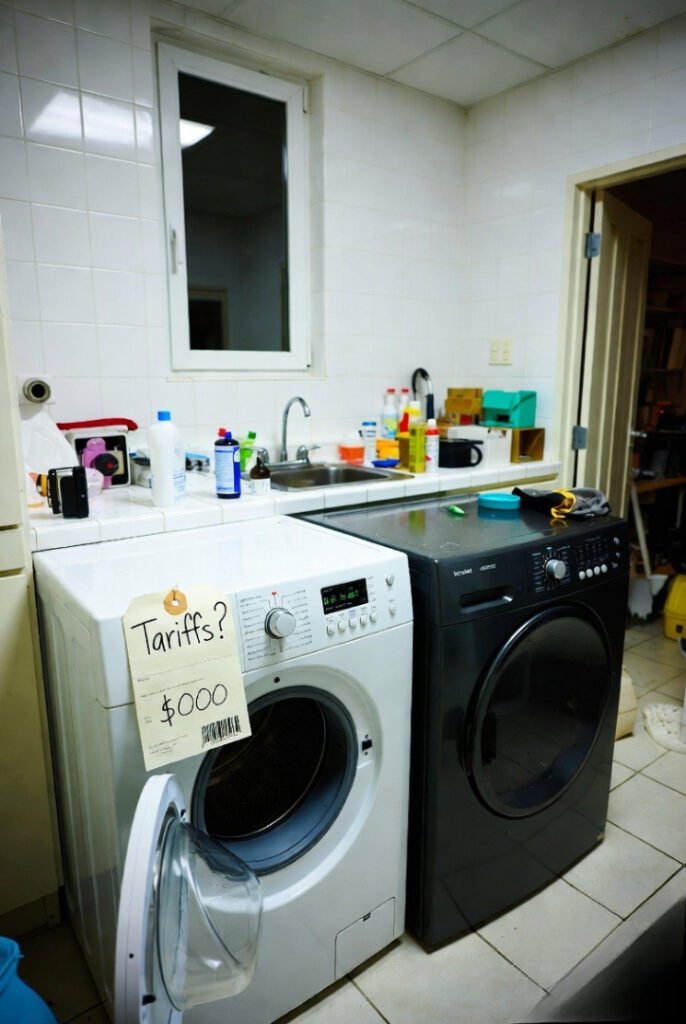
And suddenly the U.S.–China trade war didn’t feel like some abstract geopolitical chess match.
It felt like… a pricey laundry day.
Why The U.S. and China Even Started Fighting (Economically)
Alright, quick rewind.
For decades the United States and China built this massive trading relationship.
China made a lot of the world’s stuff.
America bought a lot of the world’s stuff.
Pretty simple.
But over time complaints started piling up.
Things like:
- Intellectual property theft
- Trade imbalances
- Manufacturing jobs leaving the U.S.
- Government subsidies to Chinese companies
Eventually Washington basically said…
“Okay, enough.”
So tariffs started flying back and forth like economic dodgeballs.
China retaliated.
America retaliated again.
Suddenly the U.S.–China trade war was the biggest economic rivalry on the planet.
It’s Not Just About Stuff Anymore
Here’s the thing people miss.
This trade conflict isn’t just about toasters, washing machines, or steel.
The real battle?
Technology.
Big time.
Companies like Huawei, Apple, and NVIDIA are right in the middle of it.
And the fight is basically over who controls the next generation of:
- AI chips
- 5G networks
- advanced semiconductors
- future computing power
It’s less “trade disagreement” and more…
tech cold war energy.
My Phone Is Basically a Global Puzzle
A while back I dropped my phone and shattered the screen. Classic.
While waiting at the repair shop I started chatting with the guy fixing it.
He casually says:
“Most of these parts come from like five different countries.”
I’m like, wait what?
Turns out a typical smartphone includes components from:
- South Korea (screens)
- Taiwan (chips)
- China (assembly)
- Japan (materials)
It’s basically a tiny international collaboration project in your pocket.
Which means when the U.S.–China trade war heats up…
Supply chains get nervous.
And nervous supply chains usually mean higher costs.
Farmers Got Dragged Into It Too
One of the weirdest parts of this whole conflict?
American farmers got caught in the middle.
China used to buy huge amounts of U.S. soybeans.
Then tariffs hit.
China cut back.
Farmers in states across the Midwest suddenly had fewer buyers.
I remember reading an interview with a soybean farmer who said something like:
“Feels like we’re collateral damage.”
And honestly that stuck with me.
Trade wars sound dramatic until you realize real people’s livelihoods get tangled up in them.
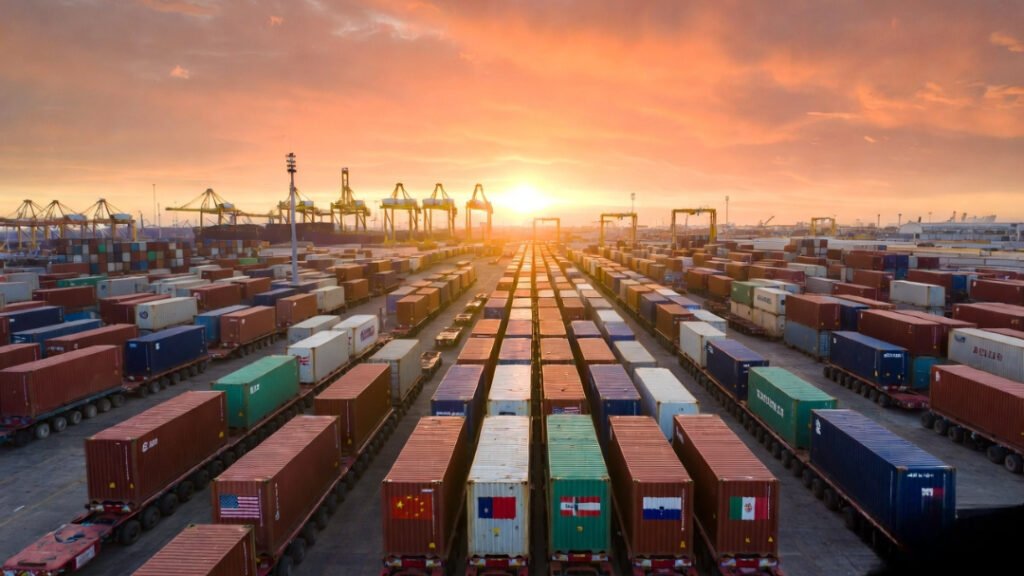
The Tech War Is the Real Drama
Okay, if I’m being honest… this is the part that fascinates me.
Semiconductors.
Yeah I know. Not sexy.
But these tiny chips power:
- phones
- cars
- AI systems
- satellites
- basically everything modern
And the global semiconductor supply chain runs through Taiwan, especially companies like TSMC.
Both the U.S. and China want reliable access to advanced chips.
Which is why export restrictions, sanctions, and tech controls have become such a huge part of the U.S.–China trade war.
It’s not just economics.
It’s national security.
The Supply Chain Chaos Moment
Remember during the pandemic when random stuff disappeared?
No bikes.
No graphics cards.
The global supply chain basically had a meltdown.
And that moment made a lot of policymakers rethink something big:
“Maybe relying on one country for critical manufacturing isn’t the best idea.”
So the U.S. started investing heavily in domestic chip production through policies backed by leaders like Joe Biden.
Factories are now being built in places like Arizona.
Which is kinda wild when you think about it.
Global supply chains… slowly shifting.
Your Wallet Still Feels It for U.S.–China Trade War Stakes
The thing about the U.S.–China Trade War Stakes is that the effects are often subtle.
You might notice:
- electronics costing slightly more
- certain products disappearing temporarily
- companies moving factories to other countries
Nothing dramatic overnight.
But over years?
It adds up.
Kind of like streaming subscriptions.
One day you wake up and realize you’re paying $92 a month to watch three shows.
Global Power… That’s The Real Prize about U.S.–China Trade War Stakes
If you zoom way out, the real stakes aren’t washing machines or soybeans.
It’s global leadership.
The United States has dominated the global economy for decades.
But China has grown insanely fast.
Factories.
Technology.
Infrastructure.
Influence.
So this economic rivalry is partly about deciding who sets the rules for the future global economy.
Not exactly light coffee-shop conversation, I know.
But also… kinda fascinating.
Random Internet Rabbit Holes Worth Checking
If you want to wander down the same late-night research spiral I did:
You can read some surprisingly readable explainers from Council on Foreign Relations.
Or check out the global trade coverage from The Economist.


