

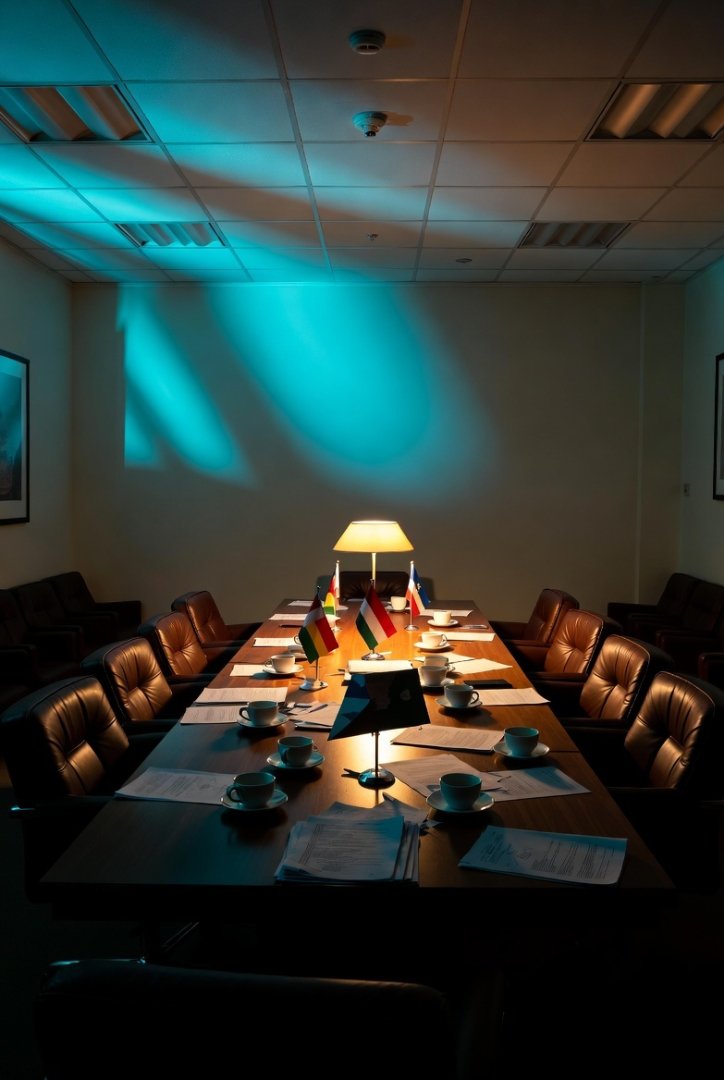
Whenever I read about diplomatic failures in history, my brain immediately goes back to a disaster from my own life.
Group project. High school.
You know the type.
Four students. One PowerPoint. Zero coordination.
I tried to organize things—very badly, I might add.
One person forgot their part.
Another rewrote the outline at the last minute.
Someone else didn’t show up the day of the presentation.
Total chaos.
Our teacher stared at us and said something like:
“Did you all… actually talk to each other?”
And honestly?
That question might explain half the diplomatic disasters in history.
Because when diplomacy breaks down—when communication fails—the consequences are way bigger than a bad grade.
Sometimes it changes the entire planet.
The Awkward Truth About Diplomacy
People love celebrating successful treaties.
Peace agreements.
Historic handshakes.
But diplomatic failures in history? Those are the moments that often reshape the world.
Because when diplomacy fails…
War usually steps in.
And war, unfortunately, tends to write history in giant bold letters.
The One That Still Feels Unbelievable: World War I
Alright let’s talk about the big one.
The chain of events that led to World War I is basically the ultimate case study in diplomacy gone wrong.
It started with the assassination of Archduke Franz Ferdinand in Sarajevo.
And then—like dominoes falling—alliances triggered reactions across Europe.
Countries issued ultimatums.
Diplomats scrambled.
Messages crossed borders.
But nobody managed to stop the momentum.
Within weeks, major powers like Germany, France, United Kingdom, and Russia were at war.

Looking back, historians often say the war wasn’t inevitable.
Which is a haunting thought.
Imagine if a few conversations had gone differently.
History might look completely different.
Miscommunication Is a Terrible Strategy
Here’s something wild about diplomacy.
Tiny misunderstandings can explode into massive consequences.
One poorly worded message.
One delayed response.
One leader interpreting something as an insult instead of a negotiation tactic.
Boom.
Suddenly a crisis escalates.
And that’s exactly what happened in several famous failed peace negotiations throughout history.
The Treaty That Made Everything Worse
Another example?
The Treaty of Versailles.
This treaty officially ended World War I.
But here’s the thing.
Many historians believe it actually planted the seeds for World War II.
Germany faced severe penalties, economic hardship, and political humiliation.
Which created resentment.
And eventually that resentment helped fuel the rise of Adolf Hitler.
That’s one of the clearest examples of a historical diplomatic disaster.
A peace agreement that unintentionally helped create another war.
The Cold War Near-Miss
Okay this one still freaks me out a little.
The Cuban Missile Crisis in 1962.
For a brief moment, the United States and the Soviet Union were basically staring each other down across the nuclear abyss.
The leaders involved—John F. Kennedy and Nikita Khrushchev—were navigating a diplomatic nightmare.
Missiles in Cuba.
Military alerts.
Tension everywhere.
Diplomacy almost failed completely.
And if it had?
Well…
We might not be having this conversation.
Which is… a little unsettling.
Diplomacy Isn’t Always Logical
Here’s something I’ve realized reading about famous diplomacy mistakes.
Leaders are human.
Which means they make emotional decisions.
They get defensive.
They worry about looking weak.
Sometimes they double down on bad strategies just to save face.
And those moments—those very human moments—can derail diplomacy.
The League of Nations Problem
After World War I, the world created the League of Nations.
The idea was simple:
Countries would talk through problems before war started.
Sounds great, right?
Except the system had a few… issues.
For one thing, the United States never officially joined.
And when aggressive powers like Italy, Germany, and Japan began expanding territory, the League struggled to stop them.
Which made it one of the biggest diplomatic failures in history.
Eventually the organization collapsed and the world slid toward World War II.
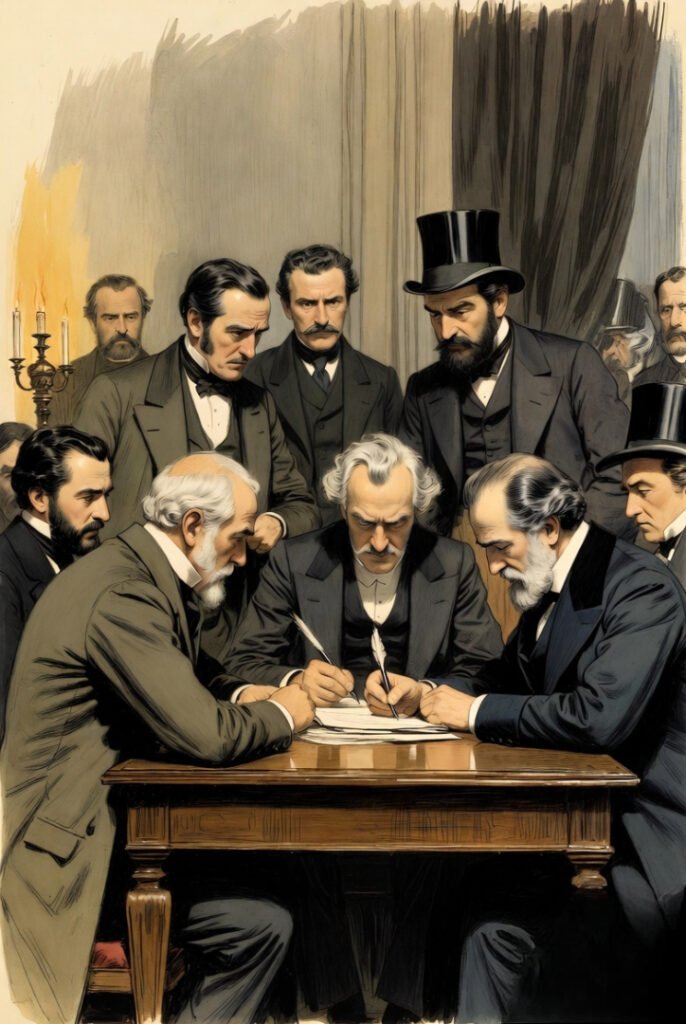
The Vietnam War Negotiation Struggles
Another painful chapter of diplomacy gone wrong happened during the Vietnam War.
Negotiations dragged on for years in Paris.
Yes—literal years.
Delegates argued about:
- the shape of the negotiation table
- who would sit where
- what flags were allowed in the room
Meanwhile the war continued.
Thousands more lives were lost while diplomats debated procedural details.
That’s one of those stories where you just shake your head and think:
Really?
The table shape?
Why Diplomacy Fails Sometimes
So why do diplomatic failures in history happen?
From everything I’ve read, it usually comes down to a few things:
1. Pride
Leaders don’t want to appear weak.
2. Miscommunication
Messages get misunderstood or delayed.
3. Domestic Politics
Leaders worry about public opinion back home.
4. Timing
Sometimes negotiations happen too late.
Or too early.
Or under too much pressure.
Diplomacy is basically the world’s most complicated group project.
Except the stakes are… enormous.
The Strange Thing About Diplomatic Failure
Here’s the strange part.
Even historical diplomatic disasters can teach the world something.
The collapse of the League of Nations helped inspire the creation of United Nations.
The devastation of two world wars pushed countries toward stronger international cooperation.
In a weird way, diplomacy learns from its own mistakes.
Like a painfully slow learning process.
A Random Pop Culture Comparison
You know what diplomacy reminds me of sometimes?
The movie Dr. Strangelove.
Dark humor.
Leaders scrambling to avoid catastrophe.
Miscommunication everywhere.
It’s exaggerated… but also weirdly insightful.
Because diplomacy is often a mix of strategy, human emotion, and pure chaos.
Two Links Worth Checking Out
This former diplomat blog shares surprisingly honest stories from the field:
https://diplopundit.net
And if you enjoy political satire about diplomacy disasters, the movie In the Loop is painfully funny.
Final Thought (A Bit Reflective)
The thing about diplomatic failures in history is that they remind us how fragile peace can be.
Sometimes all it takes is one conversation that never happens.
One compromise that nobody makes.
One misunderstanding that grows too big.
But the flip side of that idea is oddly hopeful.
Because if diplomacy can fail…
It can also succeed.
And every successful negotiation—every quiet agreement behind closed doors—means history might bend in a better direction.


